

CMD Treatment with Botulinum Toxin in Dreieich
Clarifying jaw problems holistically – before any treatment begins.
Do you grind your teeth at night? Do you have jaw pain, recurring headaches or a clicking sound when chewing? These can be signs of craniomandibular dysfunction (CMD). At smileDentity in Dreieich, we get to the bottom of the causes holistically – with thorough functional diagnostics and a stepped treatment concept that, for selected patients, can also include botulinum toxin (a neuromodulator) as a complementary option.
Trust at a glance
- Andreas Haas | M.Sc. | Dentist – 20+ years of experience
- Member of the AACD and IGÄM e. V. (holistic dentistry)
- A holistic view: function, aesthetics, overall health
- Transparent information about benefits, evidence and limitations
- Cost transparency – no hidden costs
- 5.0/5 star rating
What is CMD (craniomandibular dysfunction)?
Craniomandibular dysfunction (CMD) refers to a combination of malfunctions of the masticatory muscles, the jaw joints and the bite. Typical symptoms are:
- Pain/tension in the jaw, temples or neck
- Recurring, sometimes migraine-like headaches
- Clicking, grating or locking in the jaw joint
- Restricted or painful mouth opening
- Ear noises without any ENT findings
- Tooth wear from grinding/clenching (bruxism)
Bruxism and CMD are closely linked: studies show that people with bruxism more frequently have typical CMD symptoms such as muscle or joint pain. Not everyone who grinds their teeth automatically develops CMD – but untreated, pronounced bruxism increases the risk and can also permanently damage teeth, fillings and crowns.
Possible causes
The causes are usually multifactorial: psychological stress, muscular tension, misaligned teeth, a disturbed bite (occlusion), but also postural problems or general patterns of tension can contribute. That is precisely why a careful diagnosis before any treatment decision is crucial.
Diagnostics: getting to the root of the cause
Before we recommend any treatment, smileDentity always carries out a thorough functional analysis – from a detailed medical history and clinical functional analysis to the examination of tooth contacts, abrasion and tooth position. If necessary, we work together with physiotherapists, ENT specialists or pain therapists.
How we proceed at smileDentity: the clinical examination
The clinical examination complements the medical history and provides objective findings. The following steps are part of our standard repertoire:
- InspectionFacial symmetry, muscle contours, facial proportions.
- Measuring mouth openingMaximum active and passive opening, deviation, deflection.
- Joint soundsClicking, grating, crepitus – each documented with timing and reversibility.
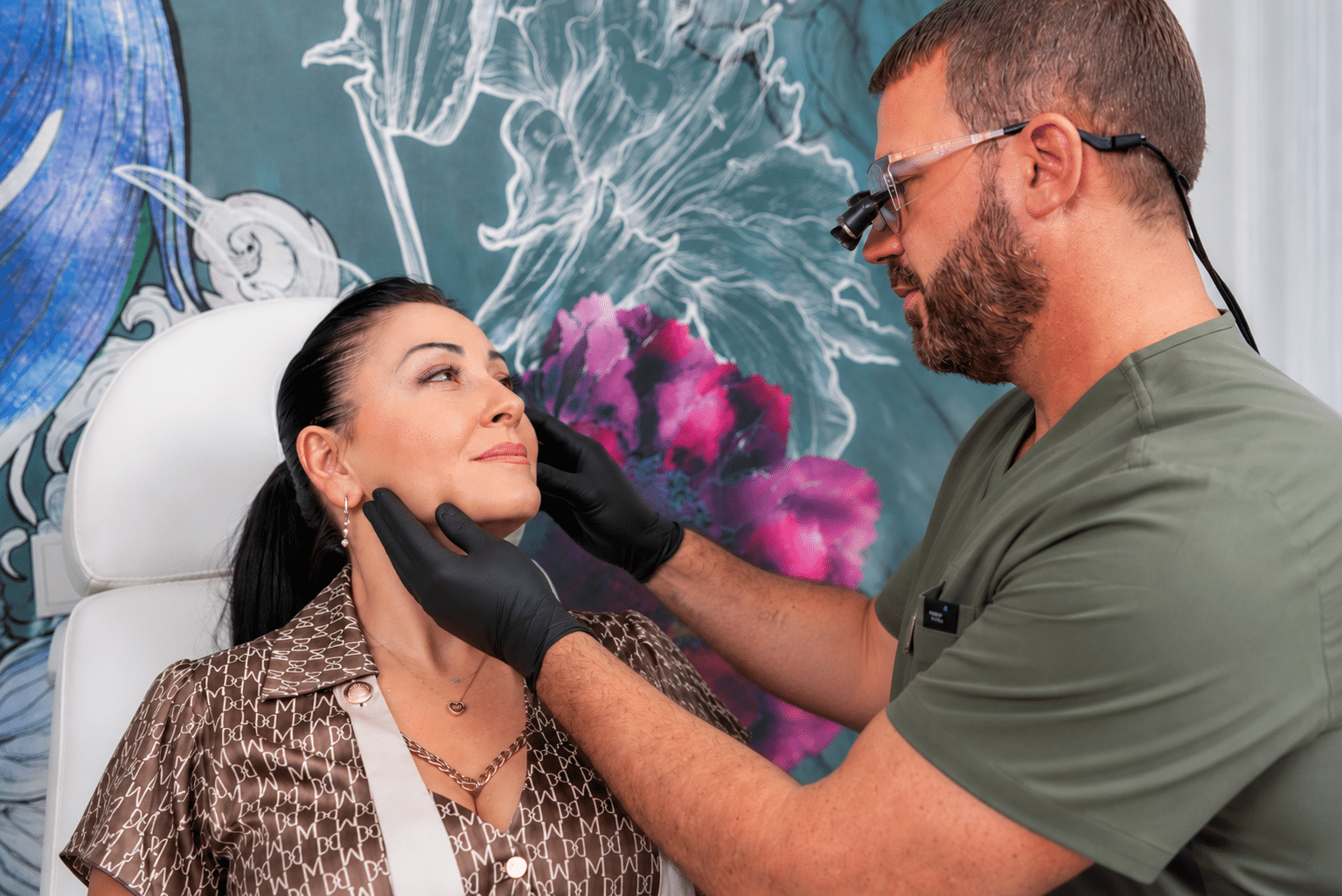
- Palpation & provocation testsMuscles, jaw joints, occlusion check.
Our treatment concept for CMD – step by step
International and German professional societies (including the DGFDT) expressly recommend using reversible measures before irreversible ones and building the treatment stages on one another, rather than switching prematurely to more invasive procedures. This is how we proceed:
- Patient education & behaviour modificationCreating an understanding of your own patterns: stress reduction, conscious relaxation of the masticatory muscles during the day, sleep hygiene.
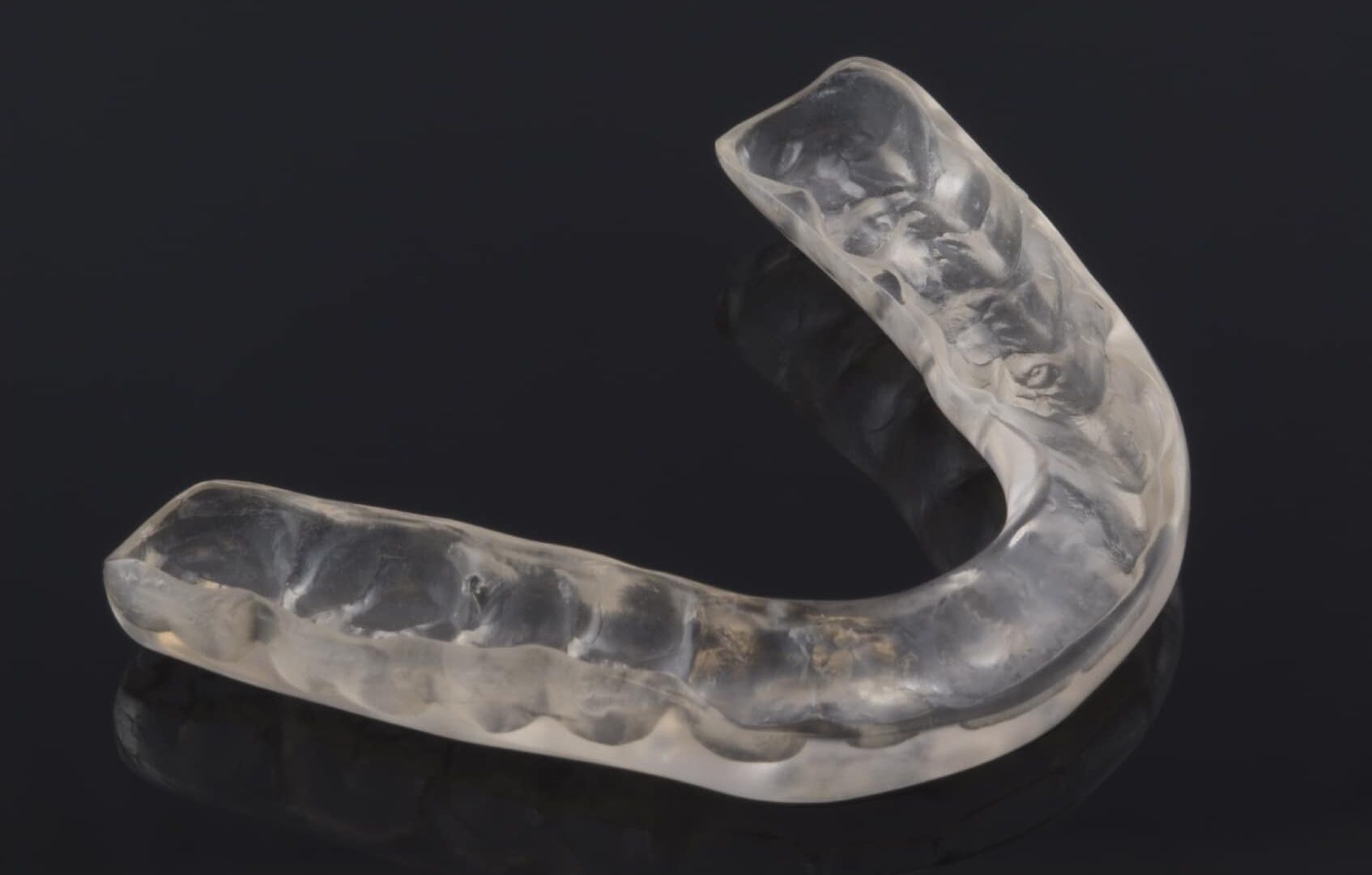
- Splint therapy (occlusal splint)An individually made occlusal splint relieves the jaw joints and masticatory muscles and protects the teeth from further wear.
- Physiotherapy & manual therapyTargeted physiotherapy exercises and manual techniques complement the dental treatment for muscle-related symptoms.
- Botulinum toxin as a complementary optionOnly if conservative measures 01–03 do not lead to the desired success and pronounced muscular symptoms are present can botulinum toxin be considered as an additional option.
Botulinum toxin for CMD and bruxism – what does the science say?
We deliberately do not want to promise more here than the current body of research supports.
What is established:
- Botulinum toxin temporarily relaxes the treated muscles (the effect typically lasts a few months) and can thus relieve muscle-related tension and pain in the jaw area.
- The updated AWMF S3 guideline “Diagnosis and Treatment of Bruxism” (2026) names botulinum toxin injections into the masticatory muscles in adults as a possible treatment option when conservative measures are not sufficiently effective.
- For this indication, it is used off-label – i.e. outside the indications approved under pharmaceutical law. We expressly inform you about this before every treatment.
Additional mechanism of action & state of research
Additional mechanism of action: direct pain inhibition (antinociception). In addition to the muscle-relaxing effect, there are pharmacological indications of a direct antinociceptive (pain-inhibiting) effect of botulinum toxin that works independently of muscle relaxation: botulinum toxin apparently inhibits the release of peripheral pain mediators (including substance P, CGRP and glutamate) from sensory nerve endings. This mechanism has been described in basic research; what specific clinical significance it has in CMD has – as the following research shows – not yet been conclusively clarified.
What the evidence does not clearly show:
A systematic review with meta-analysis (PLOS One, 2024; 14 randomised controlled trials, 395 patients) found no statistically significant difference between botulinum toxin and placebo in pain reduction after 1, 3 and 6 months. The authors rate the study quality as “low to moderate”.
Another meta-analysis, also published in 2024 (Li et al., Journal of Oral Rehabilitation), comes to a more positive result in favour of botulinum toxin for muscle-related CMD.
The research is therefore inconsistent – robust long-term data of high study quality are still lacking. We put this into context transparently rather than promising you a certain result.
Who is botulinum toxin suitable for – and who is it not suitable for?
Possible candidates: Adults with pronounced, predominantly muscle-related CMD symptoms for whom splint therapy, behavioural change and physiotherapy have not helped sufficiently.
Not suitable as the sole or first measure for mild grinding without relevant symptoms, for purely joint-related complaints, during pregnancy/breastfeeding or with certain pre-existing neuromuscular conditions.
Important: As a dental treatment, it is only permitted for bruxism-associated or myogenic CMD symptoms – not for aesthetic or non-dental indications (e.g. migraine).
Summary of the indications for botulinum toxin therapy for CMD
Botulinum toxin is a valuable tool when the indication is right. A structured diagnosis is the indispensable prerequisite for successful and safe treatment.
- Myofascial pain (muscular, with trigger point findings)
- Bruxism with symptomatic muscle involvement
- Confirmed hyperactivity of the masticatory muscles as the cause of pain
- Masseter/temporalis hypertrophy relevant to the symptoms
Possible side effects include temporary weakness of the masticatory muscles, mild difficulty swallowing or an altered chewing sensation in the first few weeks. These effects are generally reversible.
“Botulinum toxin is a valuable tool – when the indication is right. A structured diagnosis is the indispensable prerequisite for successful and safe treatment.”
 Andreas Haas, M.Sc.Dentist
Procedure for botulinum toxin treatment at smileDentity
- Detailed consultationDiagnostic findings, realistic expectations, off-label status, alternatives, costs.
- Individual treatment decisionMade together with you, and only once conservative measures have been exhausted.
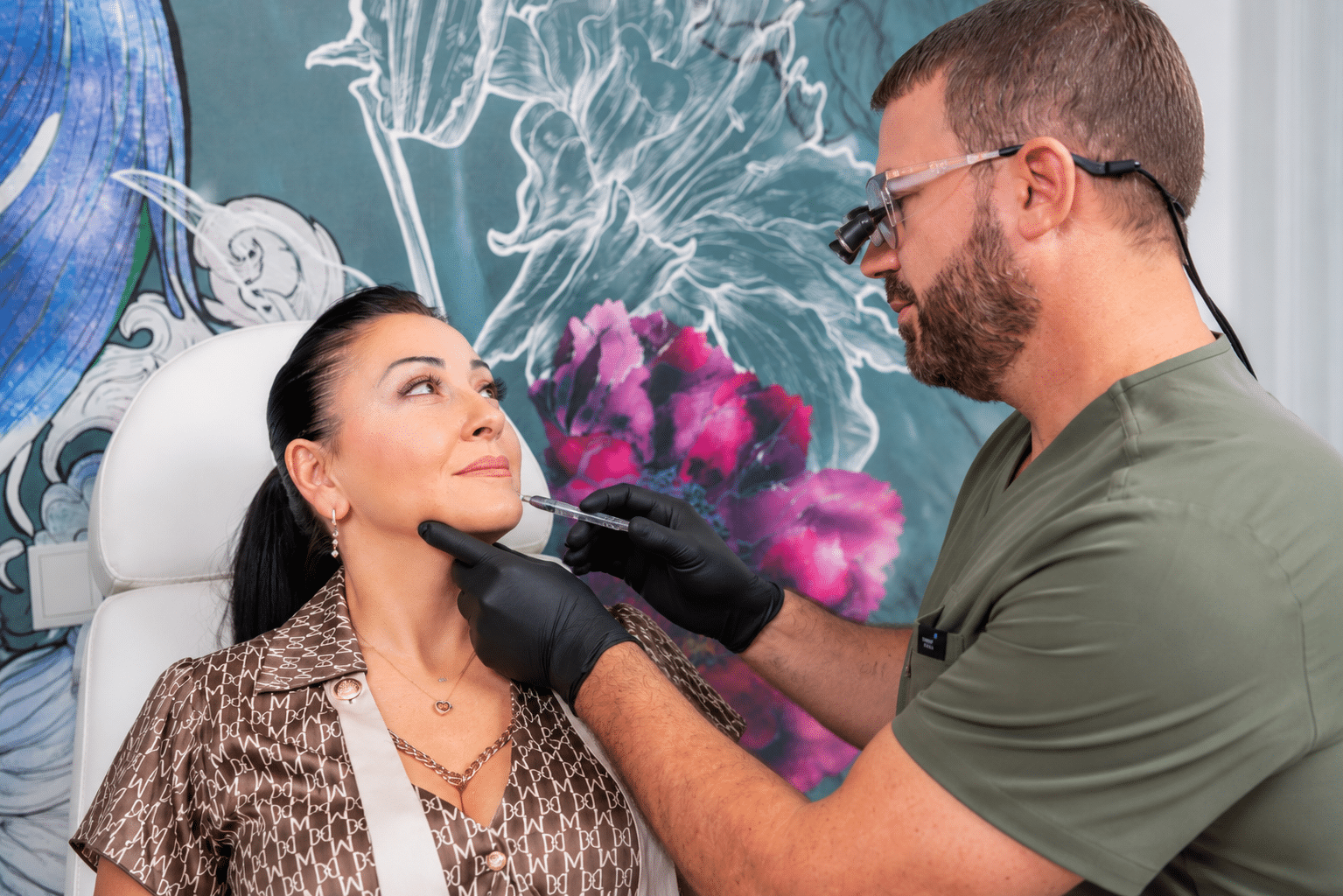
- InjectionInto the affected masticatory muscles under reliable anatomical control.
- Follow-upAfter a few weeks, to assess effect and tolerability, combined with the ongoing splint therapy.
Costs of botulinum toxin therapy for CMD
The costs of botulinum toxin treatment for CMD depend on the individual findings, the number of muscle areas to be treated and the amount of toxin required. As a guide, treatment at our practice starts at €400, depending on the individual treatment approach.
As the use for CMD is off-label, this is a self-pay service – statutory health insurers do not currently cover the costs. As part of the consultation, we will provide you with a transparent, individual cost estimate in advance so that you can take your time to decide.
Book your CMD diagnostics appointment in Dreieich now
Whether jaw pain, night-time grinding or unexplained headaches – have the cause properly investigated before you decide on a treatment. We advise you in detail, transparently and without promises of a cure.
What you should know about CMD treatment with botulinum toxin
CMD refers to malfunctions in the interplay of the masticatory muscles, jaw joints and bite, which can manifest themselves in jaw pain, headaches, clicking or restricted mouth opening, among other things.
Through several mechanisms: reducing the activity of overactive masticatory muscles, lowering the chewing load on the jaw joint and disc, deactivating myofascial trigger points, and a direct antinociceptive effect by inhibiting peripheral pain mediators.
The research is inconsistent: some studies show no significant advantage over placebo, others a more positive result. A guaranteed success cannot be derived from this.
No, its use for CMD/bruxism is off-label. We inform you about this in detail before every treatment.
Yes. In line with the guidelines, botulinum toxin is only considered if patient education, behavioural change, splint therapy and, where appropriate, physiotherapy have not led to the desired success.
From €400, depending on the individual treatment approach, the number of muscle areas treated and the amount of toxin required – always with an individual cost estimate in advance.
No, neither diagnosis nor treatment is currently covered by statutory health insurance.
The muscle-relaxing effect is limited in time, typically a few months. Repeat treatment can be discussed if required.
The first step is a thorough diagnosis. An individually made occlusal splint combined with stress reduction often helps on its own – botulinum toxin is only a later option.