

Biological Holistic Dentistry
Dentistry that sees the whole person – natural, gentle and well-tolerated
Your teeth are part of your body – and your oral health affects your overall wellbeing. At our practice, we combine biological dentistry with holistic approaches to treat not just symptoms, but causes. With gentle methods, biocompatible materials and individual treatment concepts, we look after your health – from your teeth to your immune system.
Many Disciplines — One Holistic Konzept.
Every area of treatment at smileDentity is coordinated with the rest of the body — never in isolation, always as part of a plan.
Surgery
Minimally invasive procedures from wisdom tooth removal to minor surgery — protecting tissue, minimising pain, speeding up healing.
Infusion Therapies
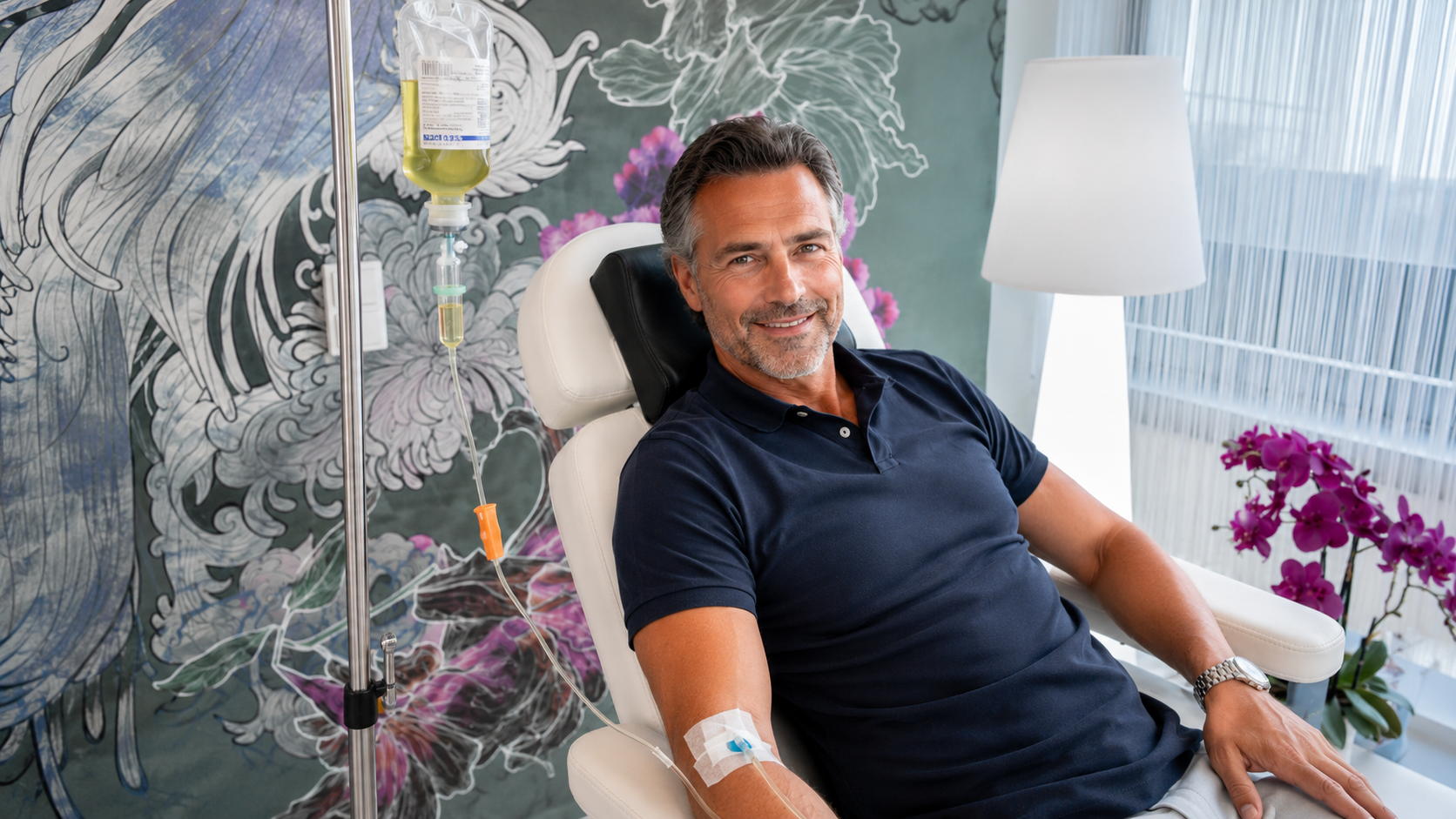
Vitamin and mineral infusions, detoxification, anti-inflammatory substances — for more energy, regeneration and faster recovery.
Synoptic Treatment Concept
We coordinate the dental specialties around your findings — teeth, jaw, posture and general health are considered as a whole.
Functional Diagnostics
Tension, headaches, teeth grinding? We identify the dysfunction in the chewing system and treat it in a targeted way — with splints, Botox for bruxism where appropriate, or holistic therapy.
Pain Management
Digital X-rays, 3D scans and laser therapies — we find the cause of tooth and jaw pain and treat it sustainably.
Periodontology
Gentle removal of plaque and bacteria by our dental hygienists — individual care concepts against periodontitis.
Halitosis Treatment
Bad breath rarely has an obvious cause. We analyse bacteria, inflammation and systemic triggers — for fresh breath.
Root Canal Treatment
Endodontics with digital X-rays, root canal revision and apicoectomy where necessary — we preserve the tooth wherever possible.
Implantology
Digitally planned, placed with biocompatible materials — implants as a natural solution for missing teeth. Stable, durable, harmonious.
Bone Regeneration
Augmentation methods using bone substitute materials or the patient’s own bone — we create a solid foundation for stable implants, even in cases of bone loss.
PRF Therapy (Platelet-Rich Fibrin)
A-PRF / I-PRF harnesses the self-healing power of your own plasma — faster wound healing, better bone and tissue regeneration.
Anxious Patients Concept
Microprocessor-controlled STA anaesthesia plus nitrous oxide sedation — pain- and stress-free treatment in a relaxed atmosphere.
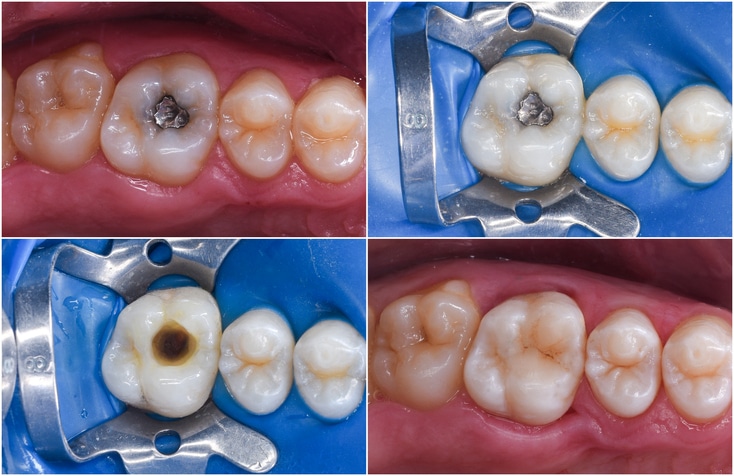
Safe, Gentle and Holistic saniert.
Amalgam contains mercury — a heavy metal that can slowly release into the body over the years. Removal is not routine; it requires the utmost care.
An elastic sheet completely isolates the tooth from the rest of the mouth — like a mini surgical field. It captures amalgam particles and vapours right at the source.
A suction device directly at the tooth immediately removes all particles and vapours before they can spread.
On request, in a pleasant state of relaxation — also helps prevent inhalation of rising mercury vapours.
After removal, the rubber dam is disposed of professionally together with the amalgam residue — no mercury enters the body or the environment.
Biological holistic dentistry is much more than just treatment — it is prevention for your entire body. Our preventive concepts and aesthetic solutions fit in seamlessly, for greater everyday wellbeing.
Frequently Asked Questions
Biological holistic dentistry does not consider the mouth in isolation, but as part of the entire organism. The focus is therefore not only on individual teeth, but also on their connections to function, material compatibility, musculature, jaw joints, inflammation and overall wellbeing.
This does not mean that classical dentistry is replaced. Rather, it is complemented by a broader perspective. When planning treatment, factors such as material compatibility, individual strain, functional patterns or gentle procedures can play a particular role. Many patients want exactly this combination of modern diagnostics, substance-sparing treatment and solutions that are as body-friendly as possible. Working holistically means, above all: looking more closely, considering connections, and planning treatments so that they are medically sound, individually suitable and stable in the long term. It is therefore about an expanded treatment concept — not about blanket promises.
The difference lies mainly in the perspective. Classical dentistry primarily focuses on the specific dental issue at hand — for example caries, defective fillings, inflammation or dentures. Biological holistic dentistry broadens this view and additionally takes into account factors such as material compatibility, chewing load, bruxism, jaw joints, muscle function and individual sensitivities.
In practice, this often means a more intensive analysis and a more personalised treatment plan. It is not just the damaged tooth that is considered, but also the question of why a strain has arisen and which solution makes sense for the patient as a whole. The treatment naturally remains scientifically grounded and medically justified throughout. Holistic does not mean imprecise — quite the opposite, it is often particularly nuanced. The goal is care that not only works locally, but also fits into the patient's overall functional and personal picture.
Biocompatible materials play an especially important role for patients who place particular value on tolerability, gentleness and a coherent overall concept. These are materials that function reliably in the mouth while also fitting as well as possible with the individual treatment goal and personal situation. Not every patient reacts the same way to every material. This is why it can make sense to factor in aspects such as compatibility, load-bearing capacity and area of use, alongside durability and aesthetics. In biological holistic dentistry, material selection is usually not made schematically, but deliberately and on a patient-by-patient basis. This applies to fillings, inlays, crowns or prosthetic solutions. The goal is care that functions well mechanically, looks right aesthetically, and fits into a gentle treatment concept. Biocompatibility is therefore not an isolated buzzword, but part of responsible, individually tailored dentistry.
A synoptic treatment concept means that different aspects of a treatment are considered together and coordinated with one another, rather than treating individual symptoms in isolation. The term describes a connected approach to planning: findings, function, material choice, aesthetics, load and long-term stability are all brought together. This is especially important in more complex cases. For example, if teeth are significantly worn, there is clenching or grinding at the same time, and aesthetic wishes exist as well, it is often not enough to simply repair individual spots. In that case, a concept is needed that considers multiple levels and plans the sequence of measures sensibly. A synoptic approach helps make treatments comprehensible, structured and sustainable. For patients, this usually means greater transparency and a clearer understanding of why particular steps are recommended. Good dentistry is often not the sum of many individual services, but a well-thought-out overall concept led by a practitioner who never loses sight of the end result. In this way, the various dental specialties are meaningfully combined to achieve an optimal treatment outcome in the end.
Bruxism refers to unconscious teeth grinding or clenching — either at night during sleep or during the day in periods of stress and concentration. Many people affected are not aware of it themselves for a long time. Signs can include morning jaw tension, a feeling of pressure, worn tooth edges, tooth pain, headaches or discomfort in the jaw joint. The problem lies less in a single movement than in the ongoing overload. Constant clenching places very high forces on teeth, muscles and joints. In the long term, this can lead to abrasion, cracks, overloaded fillings, tension and functional complaints. Bruxism is therefore not a trivial matter, even if it seems unspectacular at first. A careful assessment is important: how severe is the strain, which structures are affected, and which measures make sense? Only from this overall picture does a suitable treatment concept emerge.