

Preventive Dentistry
Prevention is the best protection – healthy teeth for a lifetime.
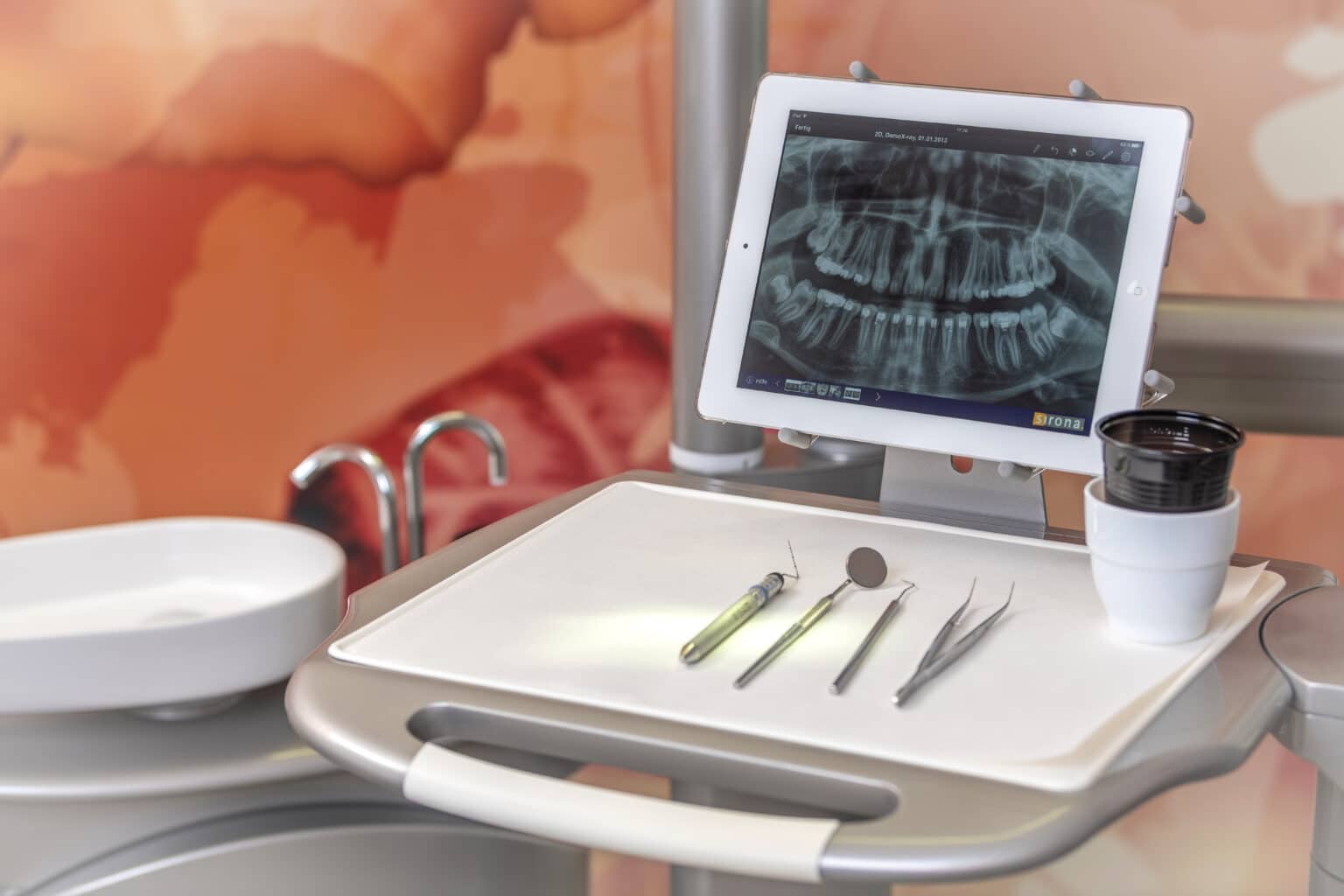
Healthy teeth begin with the right prevention. At our practice, we rely on modern, gentle methods to protect your teeth early — without unnecessary strain. With radiation-free caries diagnostics and digital X-ray diagnostics, we detect even the smallest changes before they become a problem. Because the earlier we act, the simpler and gentler the treatment.
Individually tailored to you zugeschnitten.
Our prevention concepts are based on age, risk profile and life situation — never off-the-shelf, always tailored to you.
Fissure Sealing
An invisible protective shield for the sensitive chewing surfaces of the molars — particularly beneficial for children and teenagers.
Individual Risk Analysis
Whether early detection of caries or periodontitis prevention — we analyse your oral health and tailor prevention to your needs.
Dental Check-ups & Preventive Examinations
Regular check-ups to detect and prevent problems early — before a small change becomes a major procedure.
Professional Teeth Cleaning (PTC)
Thorough cleaning to remove tartar and reduce harmful bacteria.
Protection That Fits.
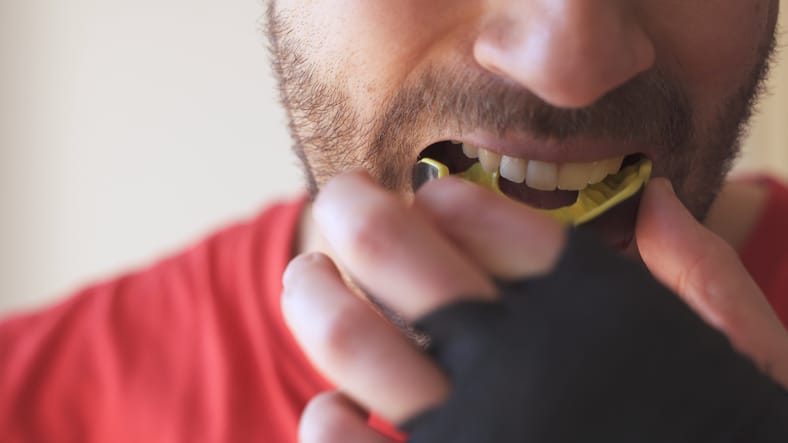
Whether football, boxing or cycling: a custom-made sports mouthguard protects teeth, gums and jaw from injury.
- Precision Fit
Our mouthguards are individually made — for optimal hold and maximum wearing comfort.
- Choice of Material
We use elastic, shock-absorbing materials that absorb energy, minimising the risk of tooth fractures or jaw injuries.
- For All Sports
Whether contact or high-risk sports — we advise you on which protection best suits your activity.
- For Children Too
Especially for growing teenagers or those with braces, a custom-fitted mouthguard is essential to prevent injury.

A good sports mouthguard is like an airbag for your teeth — and can protect against serious dental damage in a critical moment.
Frequently Asked Questions
Prevention is the most effective way to keep teeth and gums healthy in the long term. Many conditions such as caries, gingivitis or periodontitis develop gradually and often cause no pain at first. This is exactly why regular check-ups are so valuable: changes can be detected and treated early, before more serious damage, discomfort or high follow-up costs arise. Dental prevention includes not only examinations but also individual recommendations on oral hygiene, dietary advice, professional teeth cleaning and modern diagnostics. The goal is to avoid problems wherever possible, rather than having to repair them later with extensive treatment. This protects tooth substance, time and budget. At the same time, stable oral health also contributes to overall wellbeing. Those who attend regular check-ups generally have a better chance of keeping their own teeth for life and significantly reducing the need for extensive procedures.
Preventive dentistry includes all measures that prevent conditions or detect them at a very early stage. These include, above all, check-up examinations, professional teeth cleaning, individual prophylaxis, early caries detection, advice on home oral hygiene and, where needed, fluoridation or fissure sealing. It is important that prevention is never a one-size-fits-all service. Good preventive care is always adapted to age, risk profile, dental status and life situation. Children have different priorities than adults with fillings, implants or sensitive gums. Patients with an increased risk of caries or periodontitis also benefit from shorter check-up intervals. A modern prevention concept combines diagnostics, cleaning, education and individual recommendations — creating a clear plan that not only looks clean in the short term, but contributes to the long-term stability of teeth and gums.
During a professional teeth cleaning, hard and soft plaque, bacterial deposits and surface staining are thoroughly removed — including in areas that are difficult to reach with a toothbrush. This often includes the spaces between teeth, the transitions to the gums, and the nooks around fillings, crowns or retainers. Afterwards, the tooth surfaces are usually smoothed and polished, making it harder for new plaque to build up. Depending on the situation, additional fluoridation may be useful to strengthen the tooth enamel. Professional teeth cleaning does not replace daily oral hygiene — it complements it. It is particularly valuable for patients with sensitive gums, implants, fixed dentures or an increased tendency towards plaque build-up. The goal is not just a clean feeling, but above all reducing the risk of inflammation and stabilising oral health in the long term.
Early caries diagnostics means detecting changes before a tooth is significantly damaged or becomes painful. To do this, the tooth is first examined clinically. Depending on the findings, modern methods can also be used, such as imaging checks, digital diagnostics, or low-radiation and, in certain areas, radiation-free early detection methods.
Caries between the teeth, or early demineralisation in particular, cannot always be reliably assessed with the naked eye. An early diagnosis is so important because minimally invasive measures are often sufficient at that stage. In some cases, the progression can even be stopped or significantly slowed before a larger filling becomes necessary. Early detection therefore protects tooth substance. At the same time, it helps make treatments more predictable, gentler and often more cost-effective. Regular check-ups are the basis for detecting such changes in good time.
No, an X-ray is not automatically taken at every dental examination. X-rays are only used when they are medically appropriate and provide additional information necessary for a reliable diagnosis or treatment plan. The individual findings, symptoms, caries risk and medical history are always the deciding factors.
Many areas of the mouth can be assessed well clinically, while others — such as the spaces between teeth, root areas or bone structures — are only visible to a limited extent without imaging diagnostics. In such cases, X-rays can help detect problems early and reliably. Modern digital methods work with reduced radiation exposure compared to older techniques. The goal is never to perform as much diagnostic imaging as possible, but exactly the diagnostics that are genuinely medically necessary. This ensures a responsible, targeted and patient-centred approach.