
Centre for Aesthetic-Reconstructive Dentistry

At smileDentity we set high standards

Precision, modern technology and a high level of patient comfort lead to aesthetic perfection

Practice Special Features

Procedures. Technologies. Patient comfort.

Patient comfort

Comfort that takes the fear out of treatment.

We have strategies for sensitive patients — from getting to know us without treatment to sedation.

    Anxious Patient Concept

    Three phases: getting to know us without treatment, a gentle examination and consultation, and finally treatment with individually tailored methods — STA® or nitrous oxide included.

    Nitrous Oxide Sedation

    A safe, effective method of reducing anxiety and pain. The patient remains awake and responsive — the effect wears off quickly after treatment, no accompanying person needed.

  1. Relaxation Music

    Soothing sounds and curated playlists during treatment — an additional element for a relaxed atmosphere in the treatment chair.

Treatment Results

Nine aesthetic reconstructions from our practice .

Every case stands for its own initial situation — and a lasting result. Before · After · Methodology.

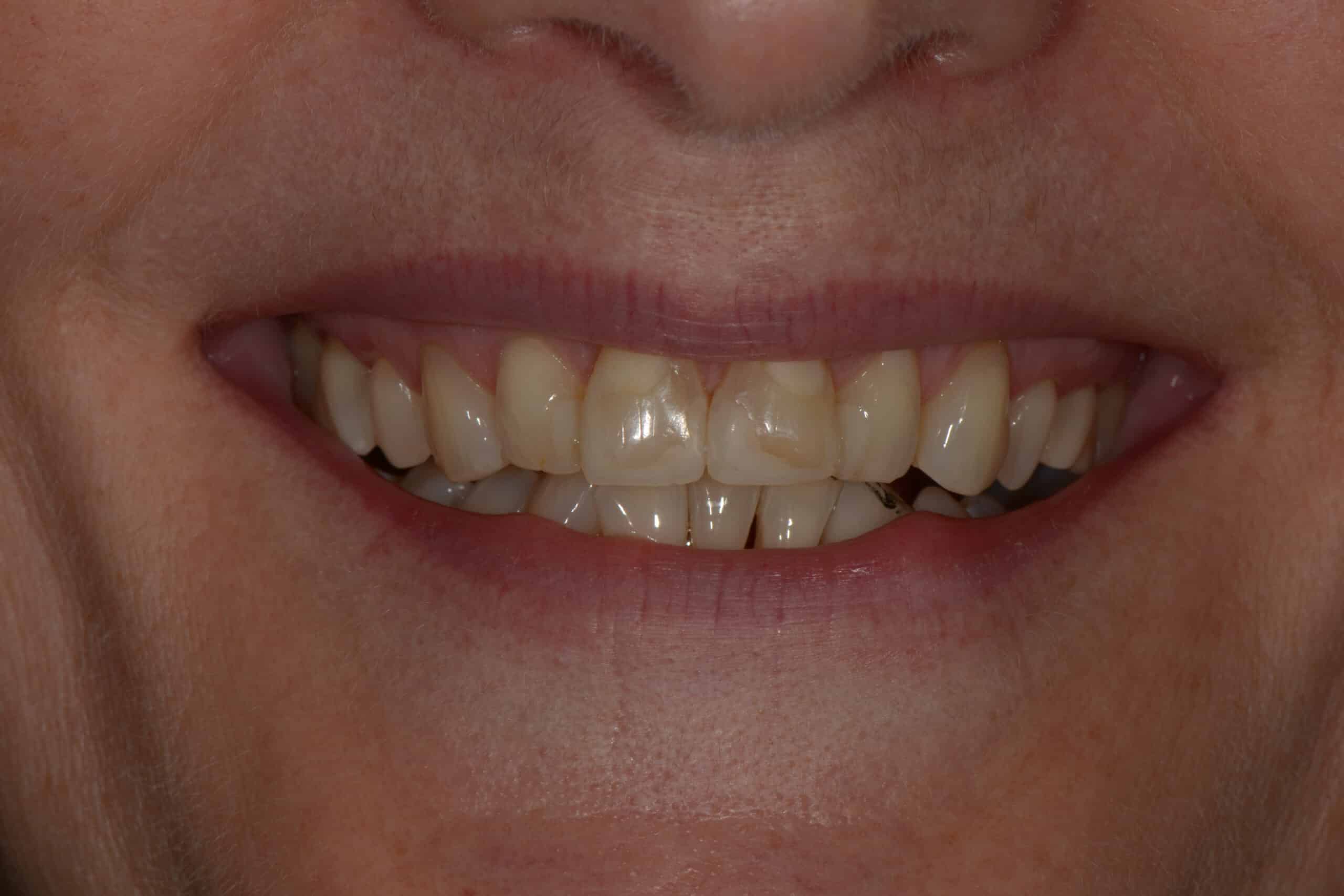
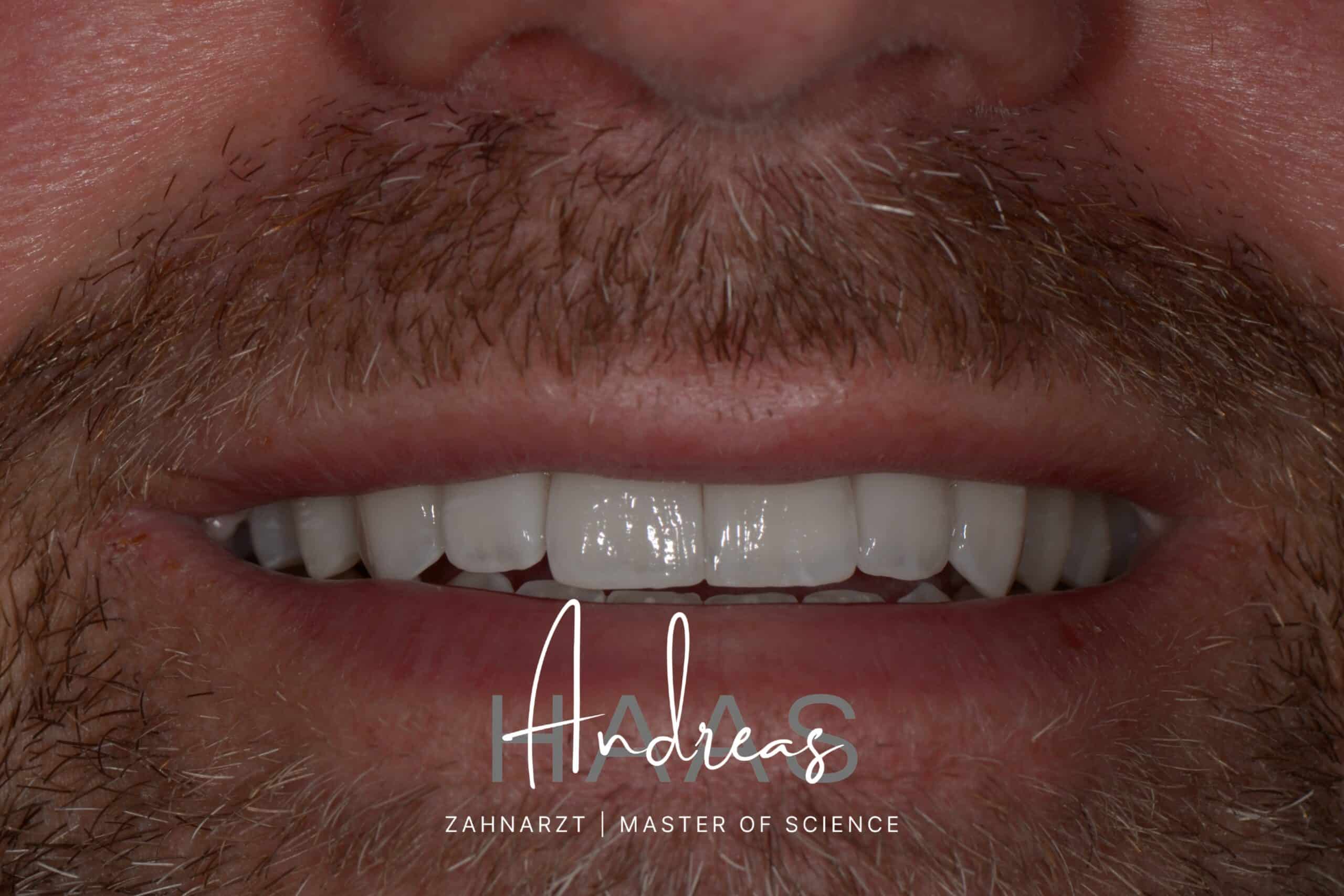
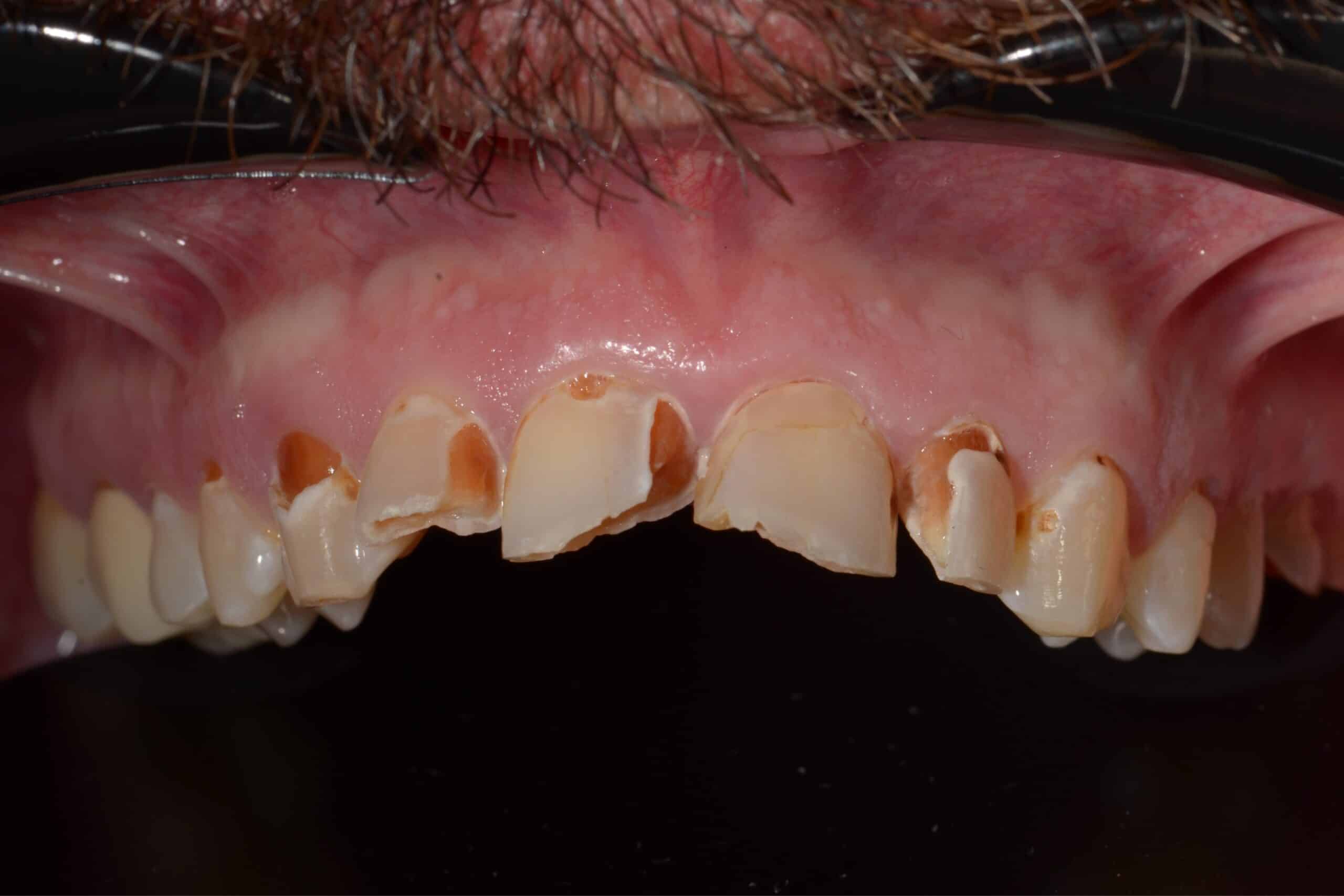
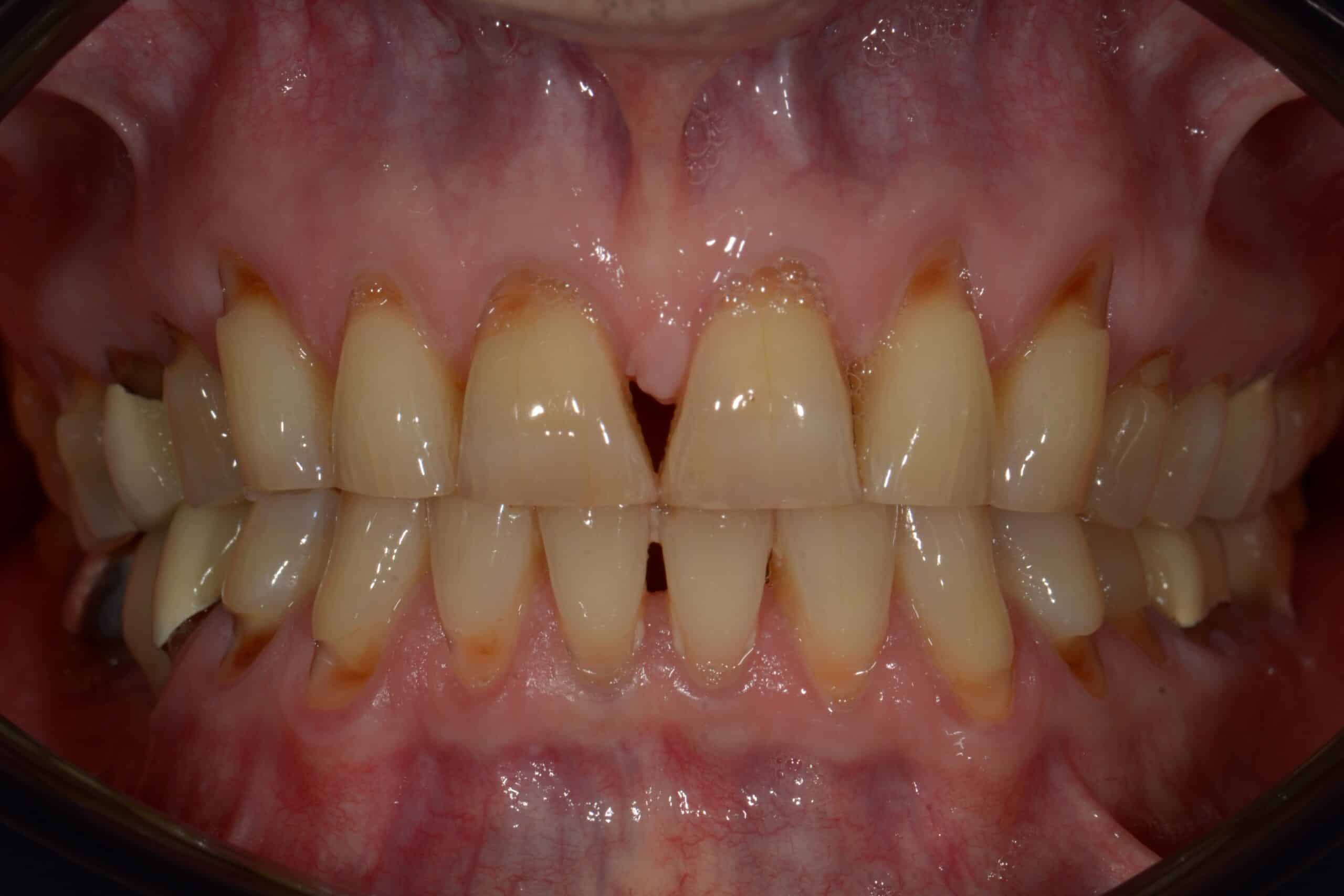
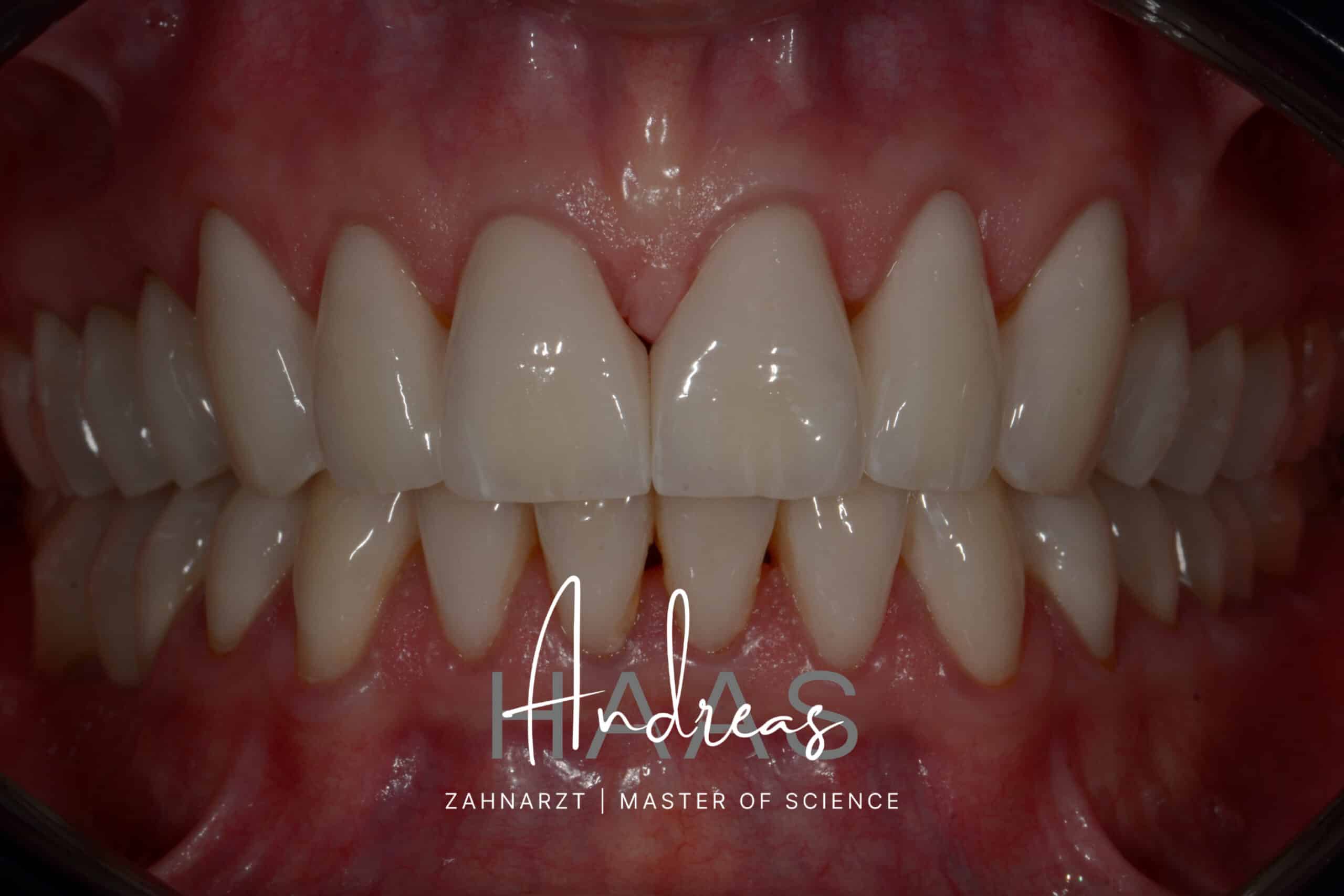
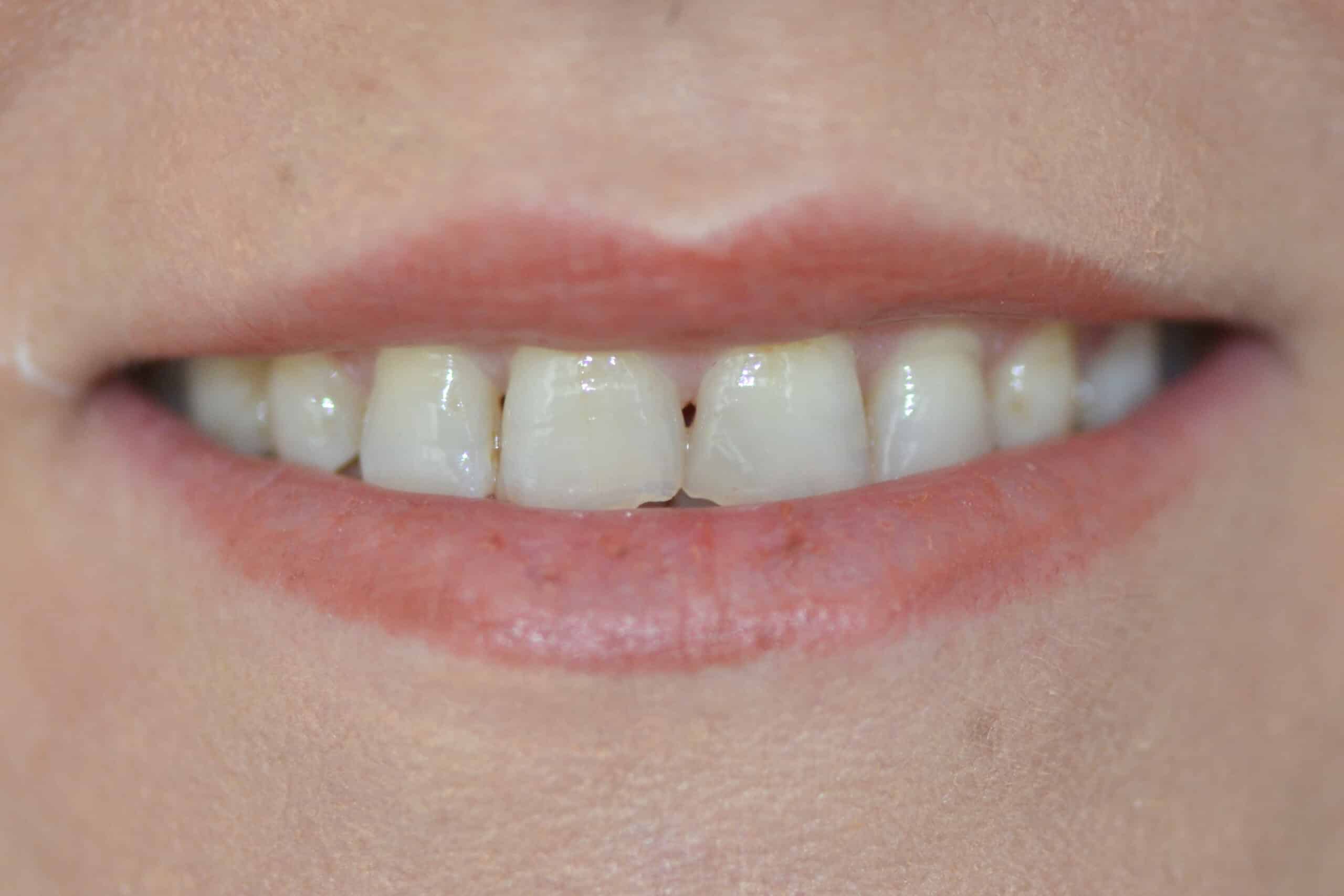
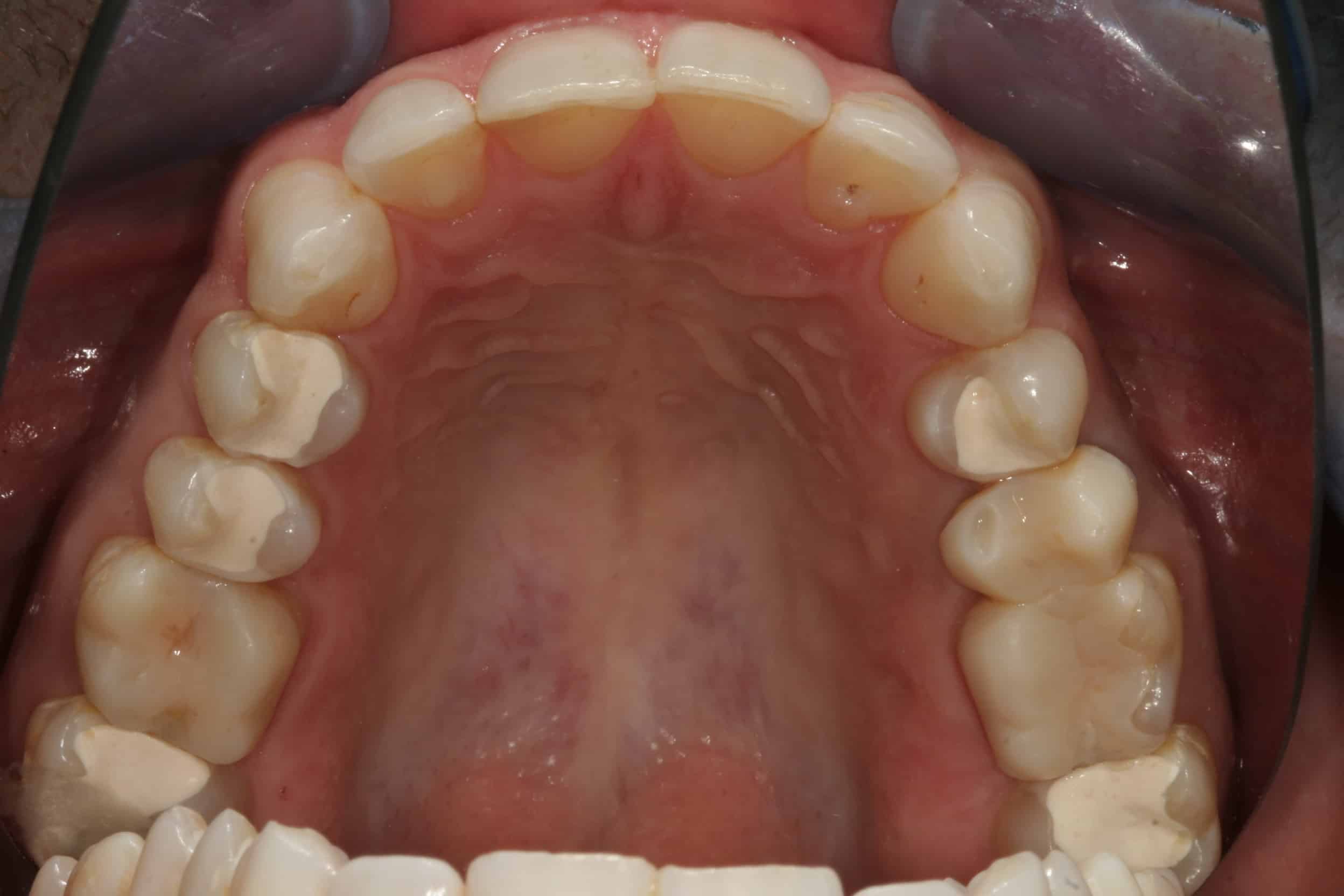
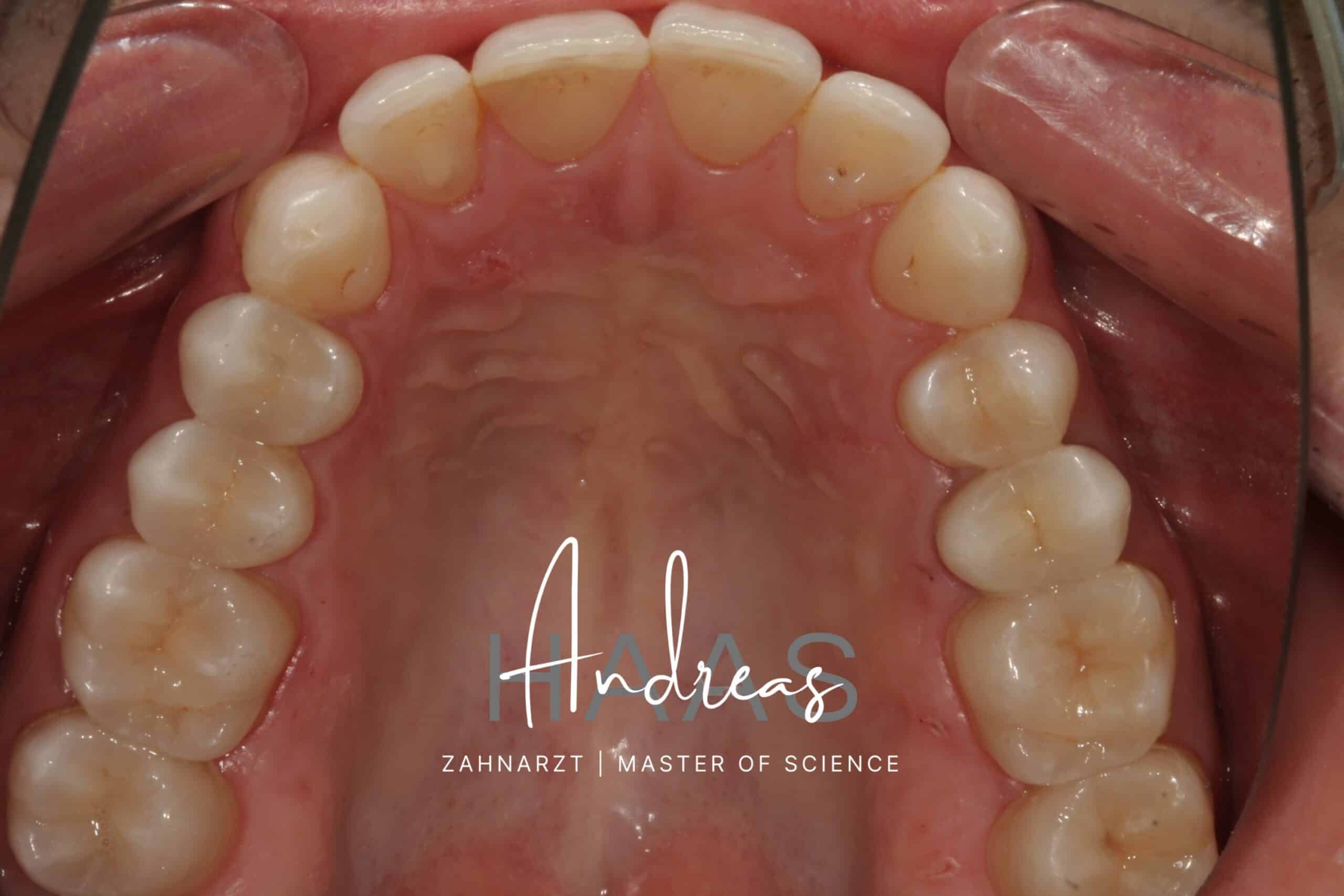
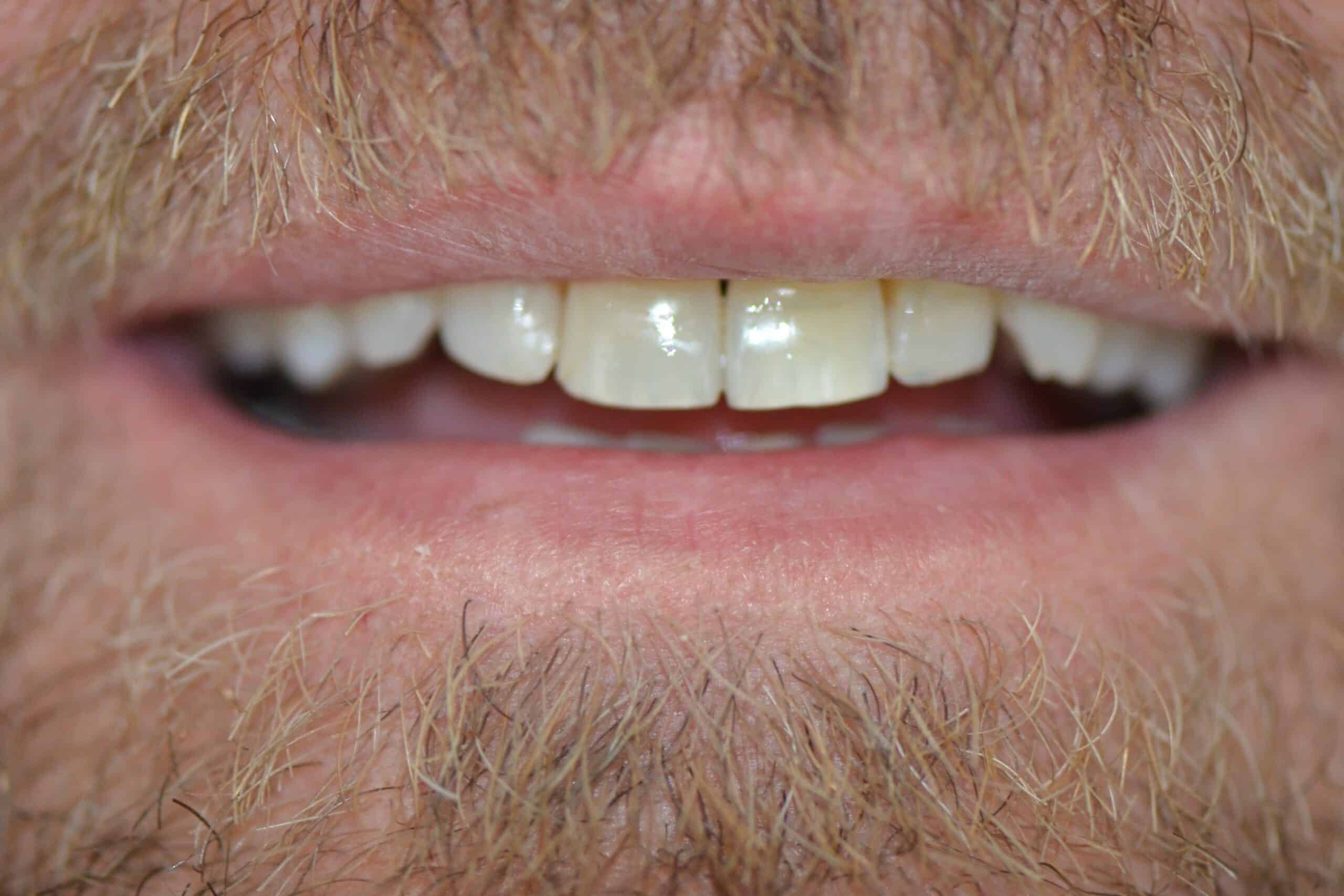
Case 01 · Image 1 · before
Before
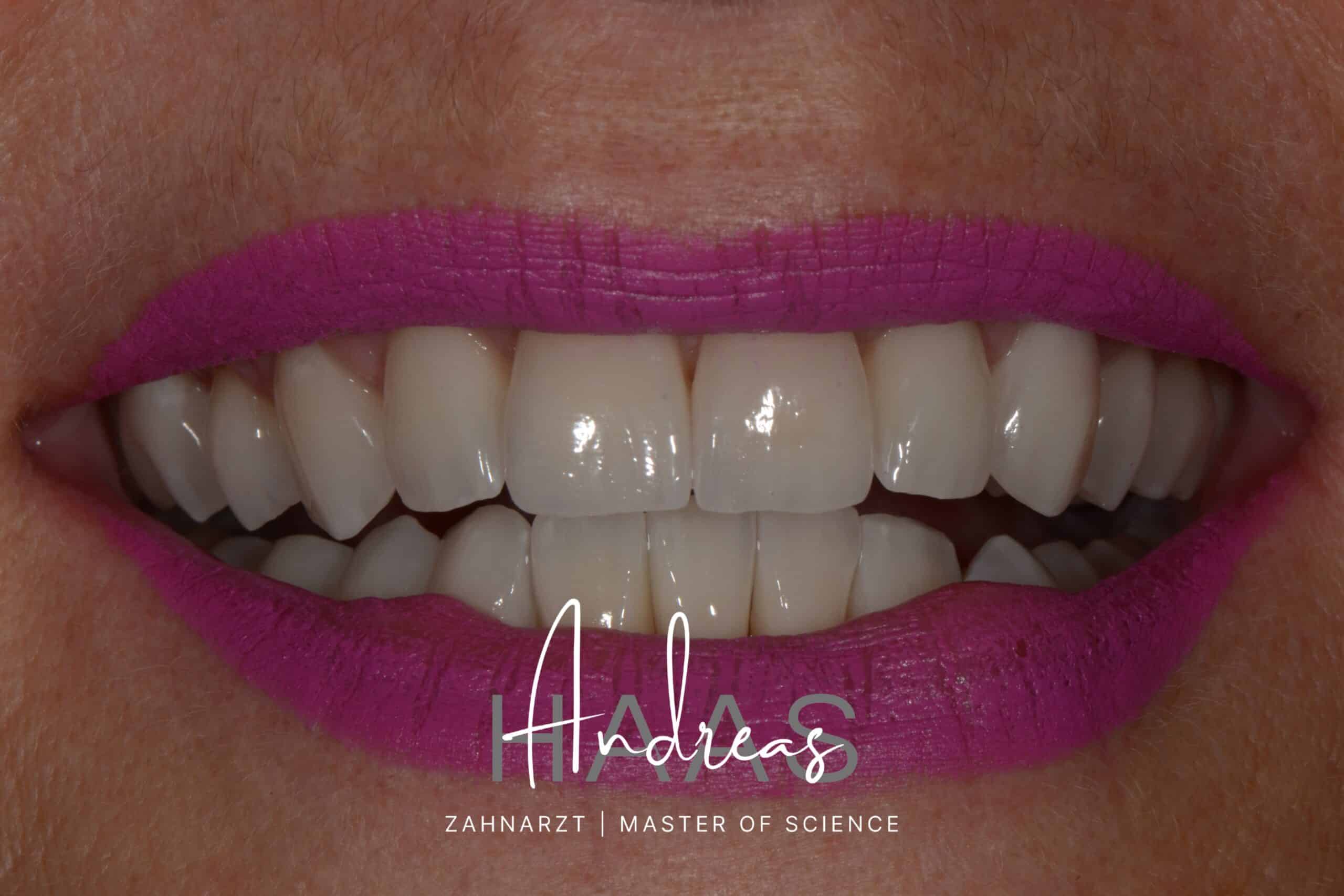
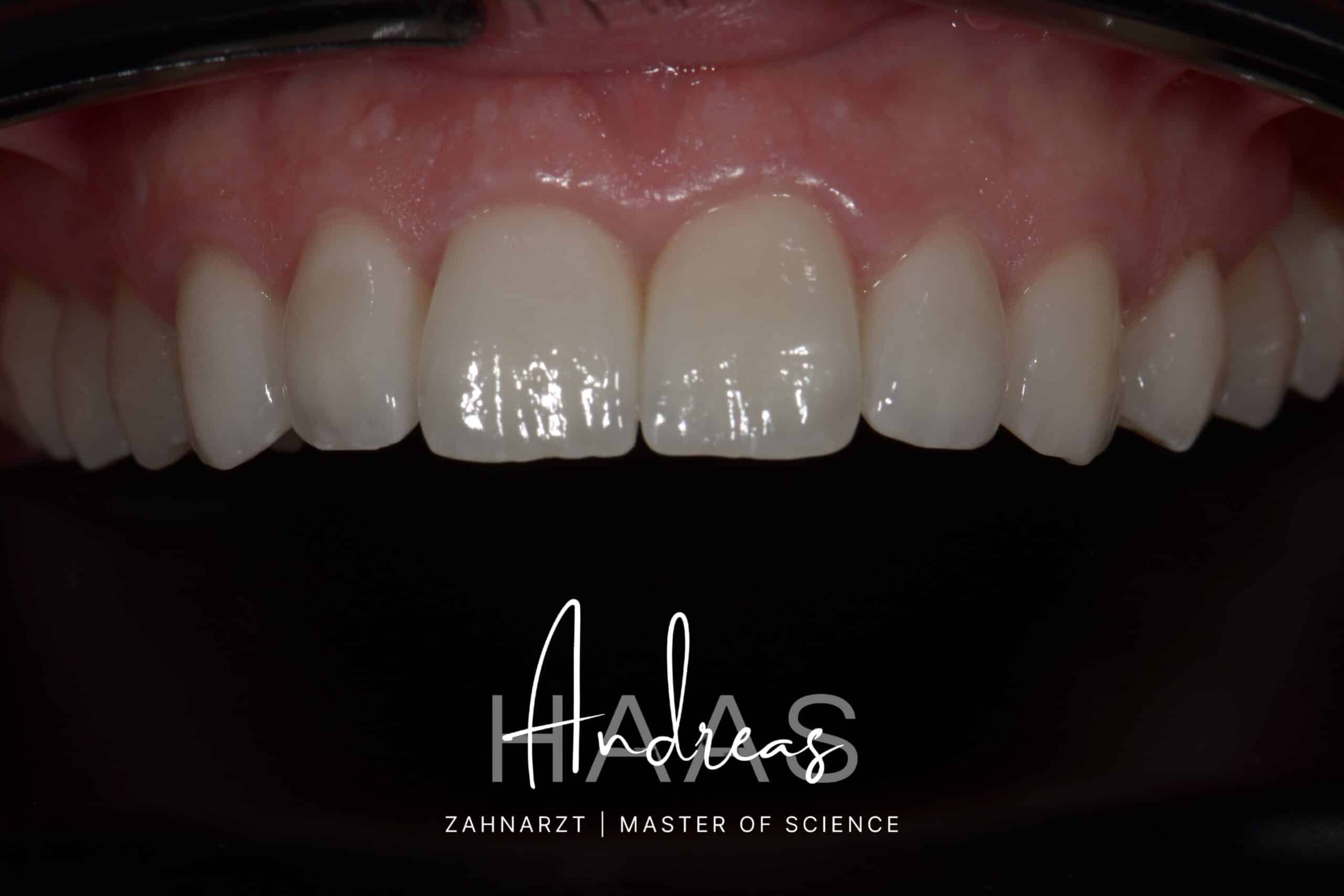
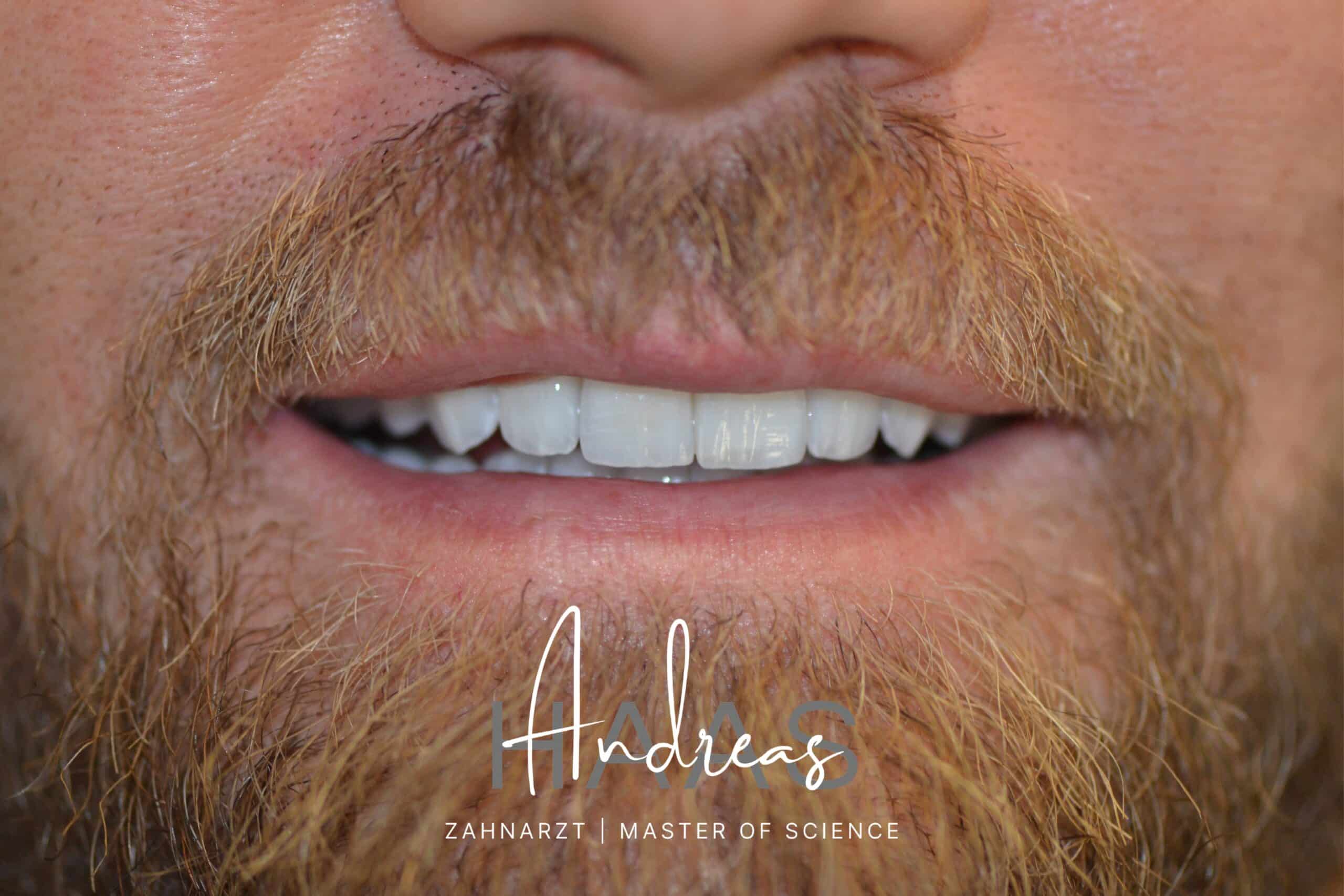
Case 01 · Image 1 · after
After
Image pair 01 / 04
Case 01Age 49 · male

Full Rehabilitation with Smile Design

Initial Situation
  • Extensive fillings and temporary restorations

  • Irregular tooth alignment, unbalanced and disturbed bite

  • Missing chewing-surface relief, worn incisal edges

  • Missing tooth in the lower jaw

  • Yellowish tooth shade A3 — disharmonious smile line

Outcome · Methods Used
  • Functional and highly aesthetic full rehabilitation as a smile design

  • Individually layered ceramic restorations

  • Minimally invasive preparation and bonding techniques

  • More masculine, more angular tooth shape · BL3 whitening

  • Natural, youthful and stable overall result
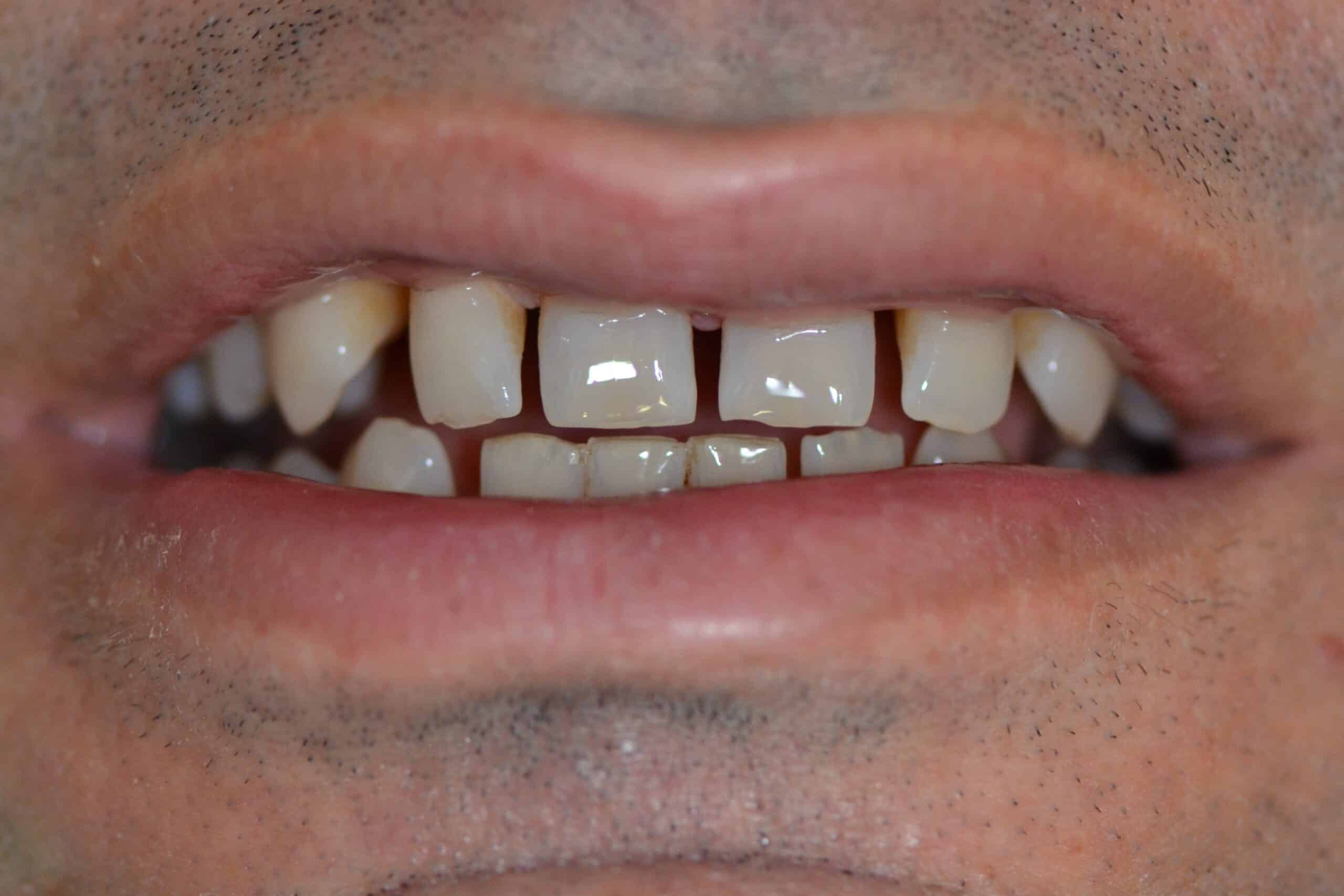
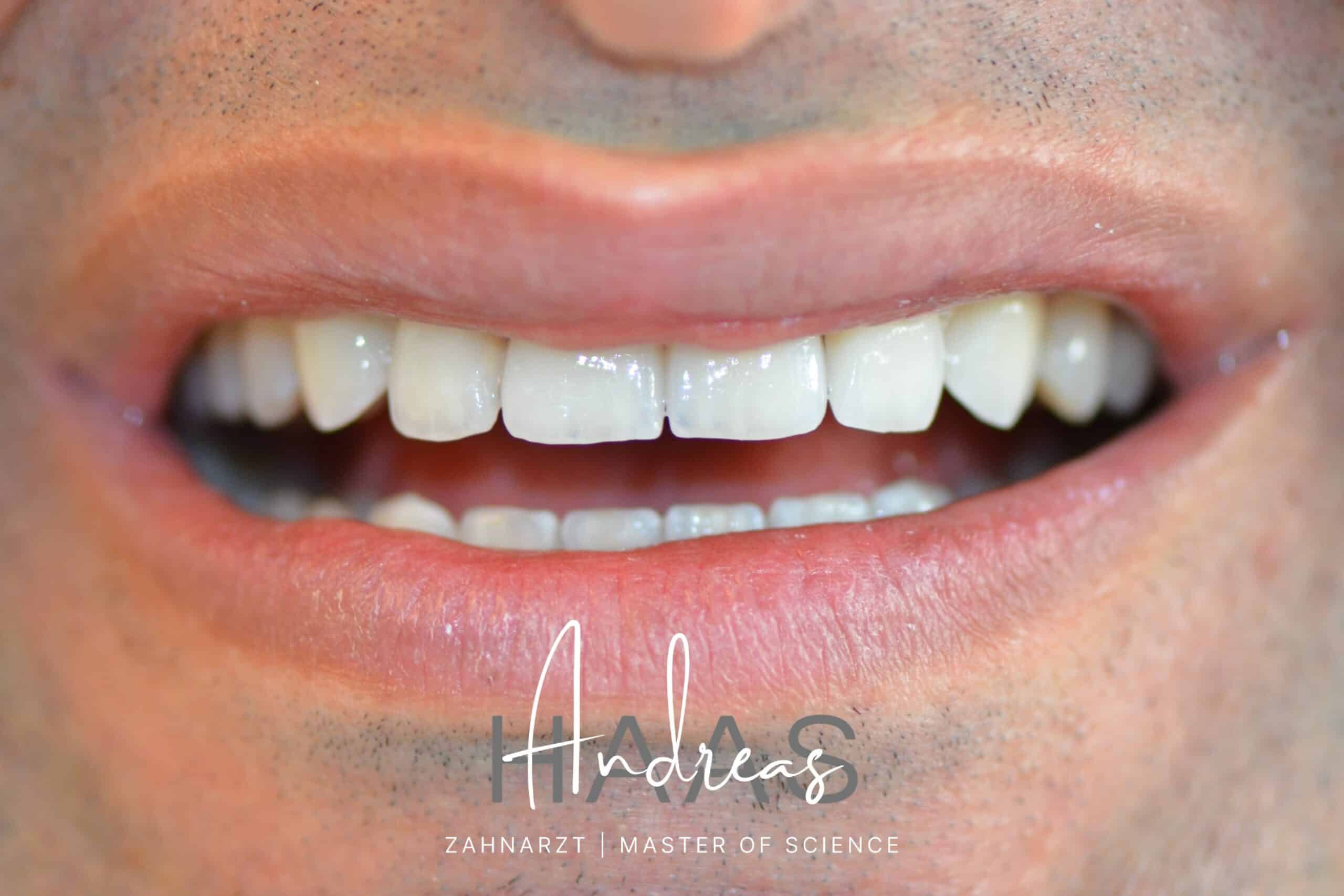
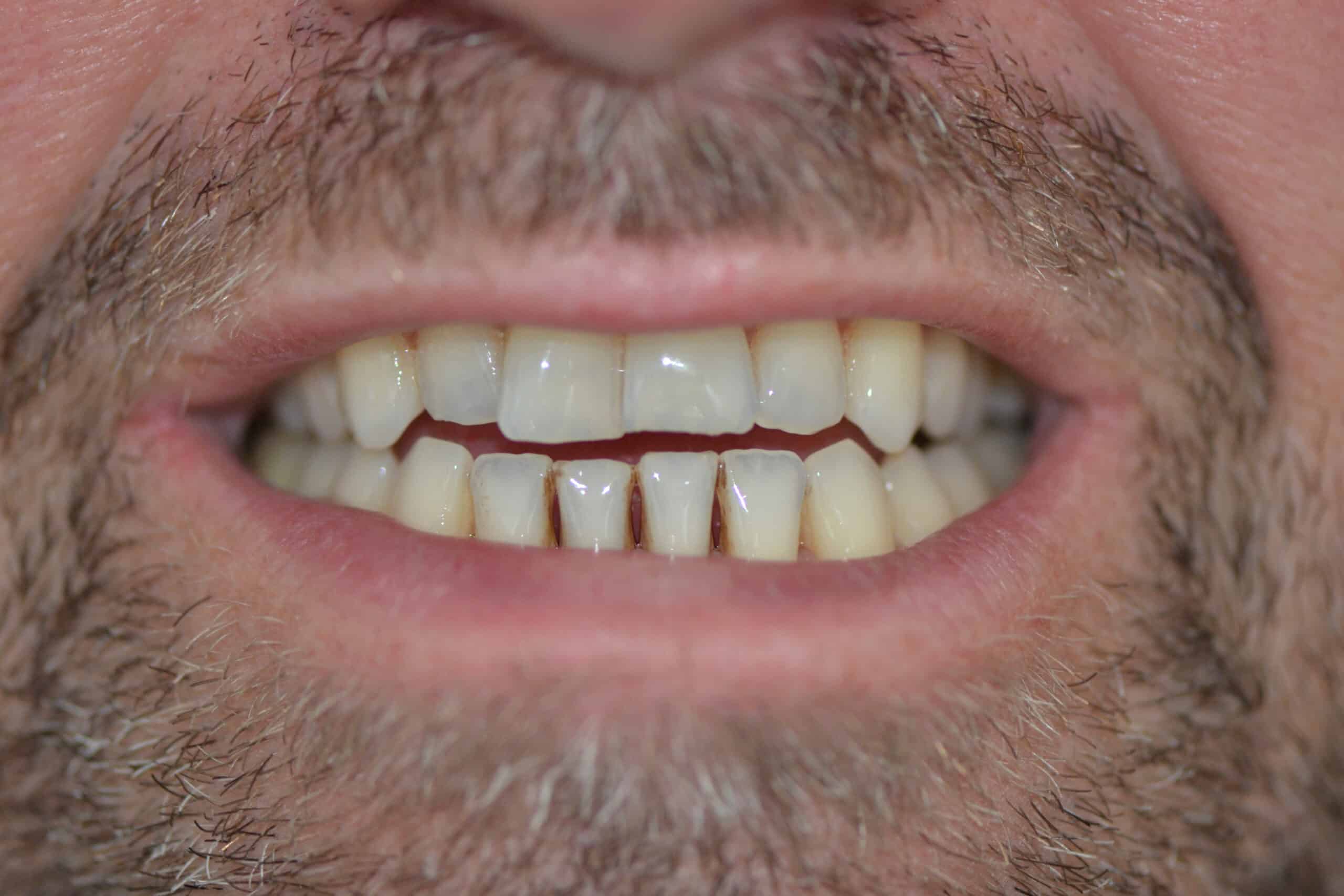
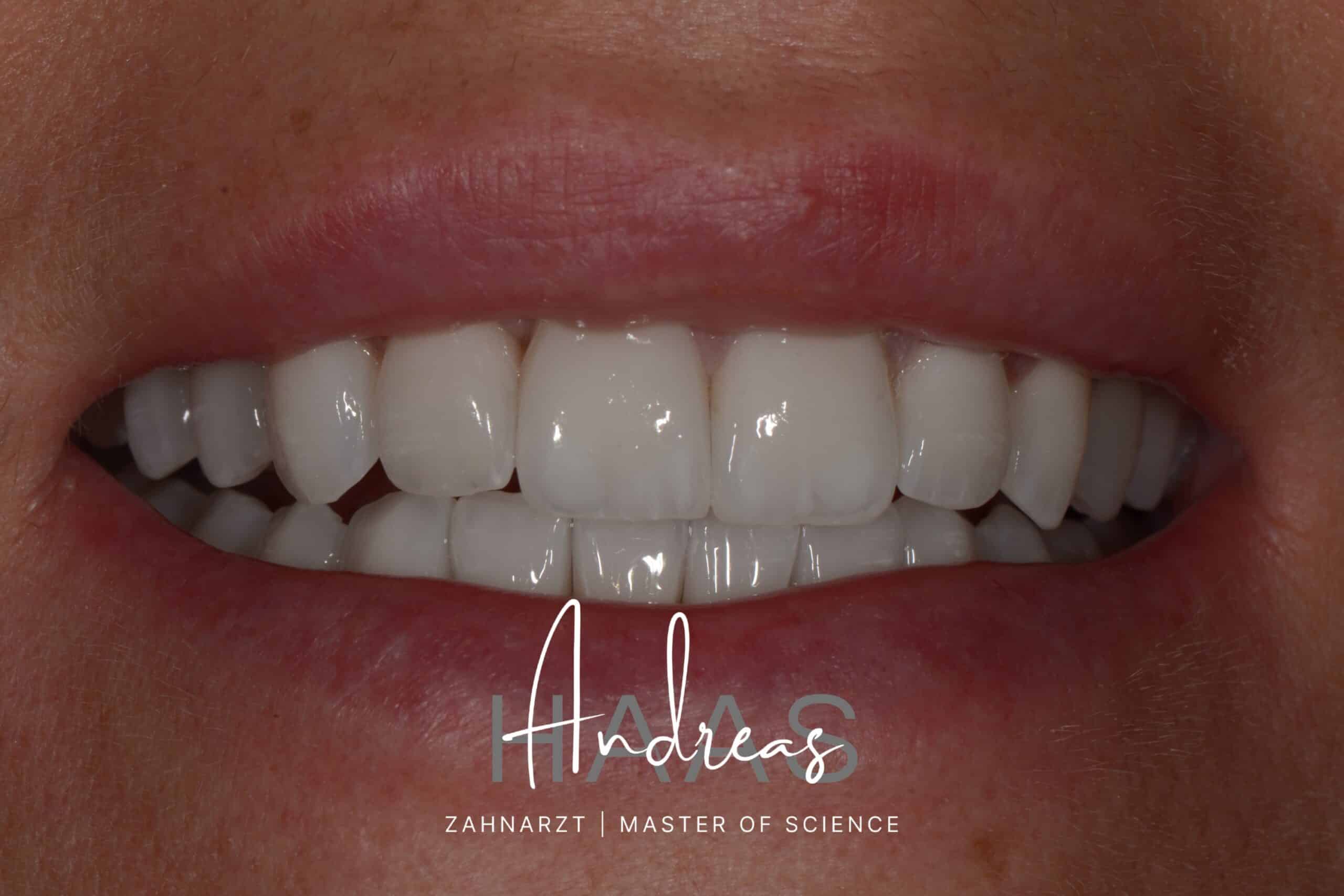
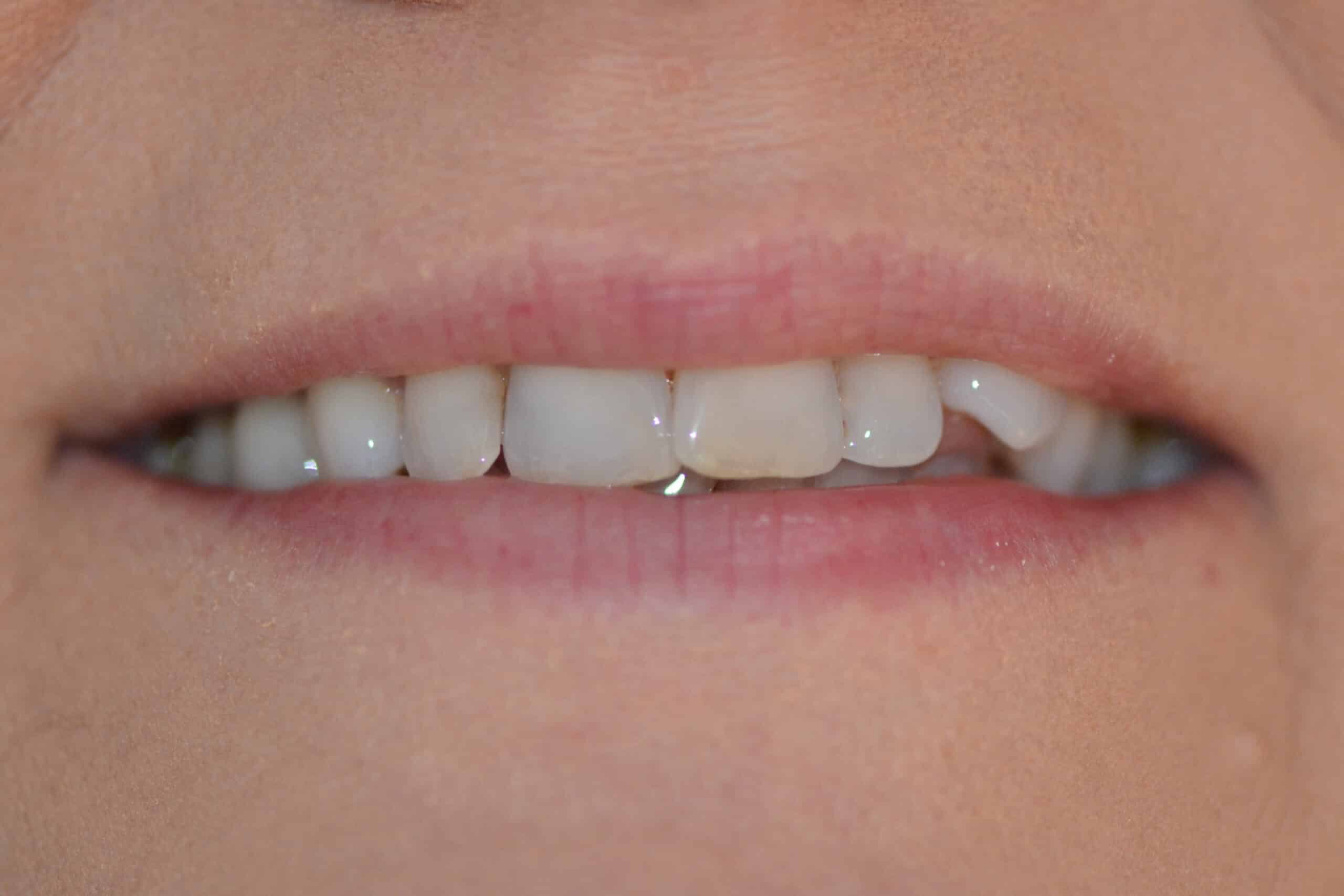
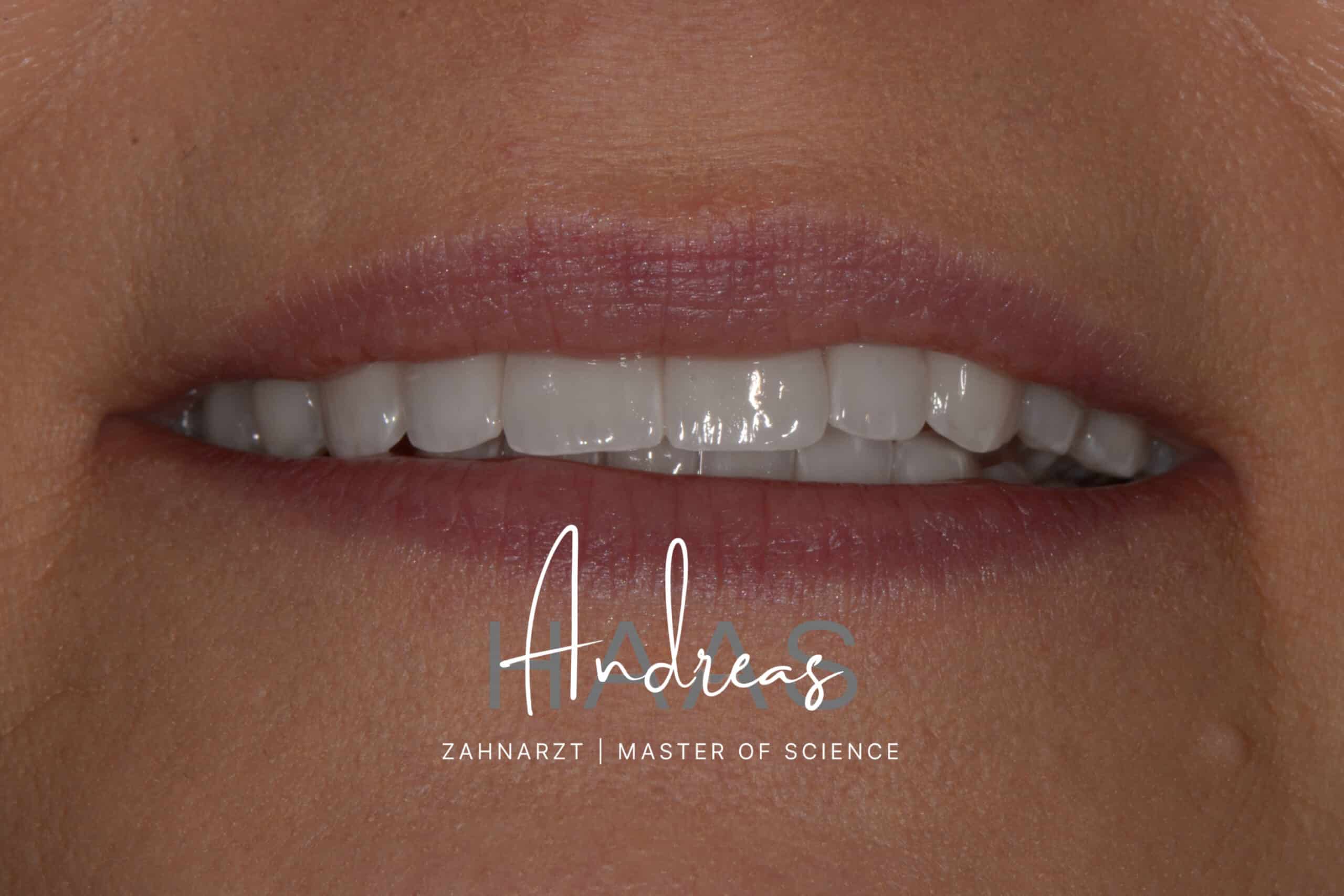
Case 02 · Image 1 · before
Before
Case 02 · Image 1 · after
After
Image pair 01 / 02
Case 02Adult · male

Front Teeth with Gaps

Initial Situation
  • Pronounced gaps between the front teeth

  • Unharmonious tooth alignment, disturbed proportions

  • Accompanying orofacial dysfunction with a moist pronunciation

  • Wish for more self-confidence for a career change

Outcome · Methods Used
  • Smile design planning with a mock-up before treatment

  • Custom-made ceramic veneers

  • Harmonisation of tooth lengths, widths and proportions

  • Noticeably increased self-confidence and self-perception

Case 03 · Image 1 · before
Before
Case 03 · Image 1 · after
After
Image pair 01 / 04
Case 03Female patient · holistic

Biological-Holistic Rehabilitation

Initial Situation
  • Wish for a holistic, biological treatment approach

  • Pre-treatment incl. amalgam removal and caries removal

  • Multiple disharmonious composite restorations

  • Incongruent occlusal plane, non-physiological final bite position

  • Aesthetics impaired by a yellowish A3 tooth shade

Outcome · Methods Used
  • Diagnostic full wax-up as the basis for planning

  • Completely metal-free, biocompatible materials

  • Nature-identical ceramic layering — A1 base to BL4 incisal edge

  • Highly aesthetic, charismatic overall result

Case 04 · Image 1 · before
Before
Case 04 · Image 1 · after
After
Image pair 01 / 05
Case 04Age 45 · male

Smile Design with High Aesthetic Standards

Initial Situation
  • Extensive fillings and carious cervical defects

  • Crossbite of a lateral incisor · disturbed bite

  • Worn incisal edges — aggressive-looking front teeth

  • Narrow, gappy lower front teeth · C3 tooth shade

Outcome · Methods Used
  • Functional and highly aesthetic full rehabilitation

  • Maximum conservation thanks to thin ceramic veneers

  • Softer, harmonious tooth shape — masculine, less aggressive

  • BL4 whitening · more well-groomed overall result

Case 05 · Image 1 · before
Before
Case 05 · Image 1 · after
After
Image pair 01 / 03
Case 05Young · male

Complete Restoration of a Severely Damaged Dentition

Initial Situation
  • Severely damaged dentition · high restorative need

  • Multiple extensive carious lesions in the front area

  • High degree of destruction of the hard tooth tissue

  • Primary goal: regaining freedom from pain and chewing function

Outcome · Methods Used
  • Implant-supported restoration in the upper and lower jaw

  • All-ceramic reconstruction · fixed rehabilitation

  • Transformation to a self-confident, charismatic appearance

Case 06 · Image 1 · before
Before
Case 06 · Image 1 · after
After
Image pair 01 / 05
Case 06Age 66 · male

Bite Raising with Functional Rehabilitation

Initial Situation
  • Decades-old metal-ceramic restorations with deficits

  • Carious cervical defects on almost every tooth

  • Loss of bite height affecting the cervical spine

  • Yellowish-brownish A3.5 tooth shade

Outcome · Methods Used
  • Bite raised by up to 3 mm with 6 months of functional testing

  • Laser and piezosurgical preparation

  • Physiological, raised final bite position

  • All-ceramic restoration — more youthful overall appearance

Case 07 · Image 1 · before
Before
Case 07 · Image 1 · after
After
Image pair 01 / 06
Case 07Age 57 · female

Complete Functional and Aesthetic Therapy

Initial Situation
  • Insufficient prosthetic and conservative restorations

  • Pronounced bruxism with muscular tension

  • Multiple carious cervical lesions

  • Pre-treated with implants and a 6-month healing phase

Outcome · Methods Used
  • Individually layered ceramic restorations

  • Feminine, youthful tooth shape — nature-identical layering

  • Laser technology for pink-and-white aesthetics

  • Vivid, natural-looking BL2 tooth shade

Case 08 · Image 1 · before
Before
Case 08 · Image 1 · after
After
Image pair 01 / 03
Case 08Age 49 · female

Front Tooth Correction without Orthodontics

Initial Situation
  • Mild crowding of the front teeth with a prominent canine 23

  • Extensive restorations in the back teeth

  • Bite misalignment · non-occlusion

  • Renewed orthodontic treatment was not an option

Outcome · Methods Used
  • Restorative smile design therapy in all-ceramic

  • Alignment of canine 23 without braces

  • Harmonious dental arch extending to the back teeth

  • Clearly exceeds the patient’s expectations

Case 09 · Image 1 · before
Before
Case 09 · Image 1 · after
After
Image pair 01 / 02
Case 09Age 32 · male

4-Quadrant Restoration with Precision

Initial Situation
  • Very high demands on precision and freedom from pain

  • Pronounced filling and crown defects in the back teeth

  • Non-physiological interdental spaces with food impaction

  • Goal: natural whitening with a harmonious overall appearance

Outcome · Methods Used
  • 4-quadrant restoration with inlays, overlays, partial crowns

  • Tooth-conserving preparation under rubber dam and magnification

  • Computer-controlled anaesthesia on both sides — absolutely pain-free

  • One-off fläsh whitening of the naturally healthy front teeth

Frequently asked questions

Frequently asked questions

  • Treatment at smileDentity is characterised by the combination of modern technology, precise diagnostics, gentle procedures, a holistic perspective and high aesthetic standards. The aim is not just a treatment that works, but an overall pleasant, comprehensible and high-quality treatment experience.

    What is special above all is the combination: technology is not used for show, but where it actually improves diagnostics, comfort, precision and quality of treatment. This is complemented by calm advice, individually tailored holistic concepts and a noticeable focus on aesthetics and naturalness. For patients, this usually means more transparency, less uncertainty and a clearer understanding of which steps are recommended. Today, good dentistry often arises from precisely this mix – caring on a human level, technologically advanced and medically precise.

  • STA stands for Single Tooth Anesthesia and refers to a computer-assisted form of local anaesthesia. Unlike a classic injection, the anaesthetic can be administered in a very targeted and controlled way. The aim is to numb only the area that actually needs to be treated.

    The advantage of this technique lies in its precision. Because delivery is controlled by computer, the anaesthesia is often perceived as more pleasant. In certain situations, it can also help to ensure that unnecessarily large areas do not become numb. This is particularly interesting for patients who react sensitively to injections or find the loss of control of extensive numbness unpleasant, or for patients who still have to attend a meeting or business call where long-lasting numbness would be a hindrance. It is therefore a good example of how modern technology can improve treatment comfort without losing sight of medical safety.

  • The great advantage of STA lies in precise and controlled anaesthesia. The anaesthetic can be delivered exactly where it is needed. As a result, many patients experience the treatment as more pleasant and easier to control than with classic procedures. In certain cases, this also means that less surrounding tissue becomes unnecessarily numb, which can feel considerably more comfortable in everyday life after the treatment. In addition, computer-assisted dosing and pressure control support an even and calm delivery. Sensitive patients in particular often benefit from this, because the sensation of the injection is less abrupt. STA thus stands for a modern, patient-friendly form of local anaesthesia that combines precision and comfort.

  • Yes, STA can be very well suited to anxious patients in particular. Many people do not fear the actual treatment, but above all the anaesthetic injection or the unpleasant sensation during the injection. Here, computer-assisted, controlled delivery can be a great advantage.

    Because the anaesthesia is experienced as more targeted and often gentler, the tension in many patients drops noticeably. There is also the psychological effect that the treatment feels more predictable and controlled. Of course, STA does not replace empathetic communication – but in combination with a calm, comprehensible and gentle approach, it can make a real difference for anxious patients. The aim is always to strengthen safety and trust. With sensitive patients in particular, this is often just as important as the technical procedure itself.

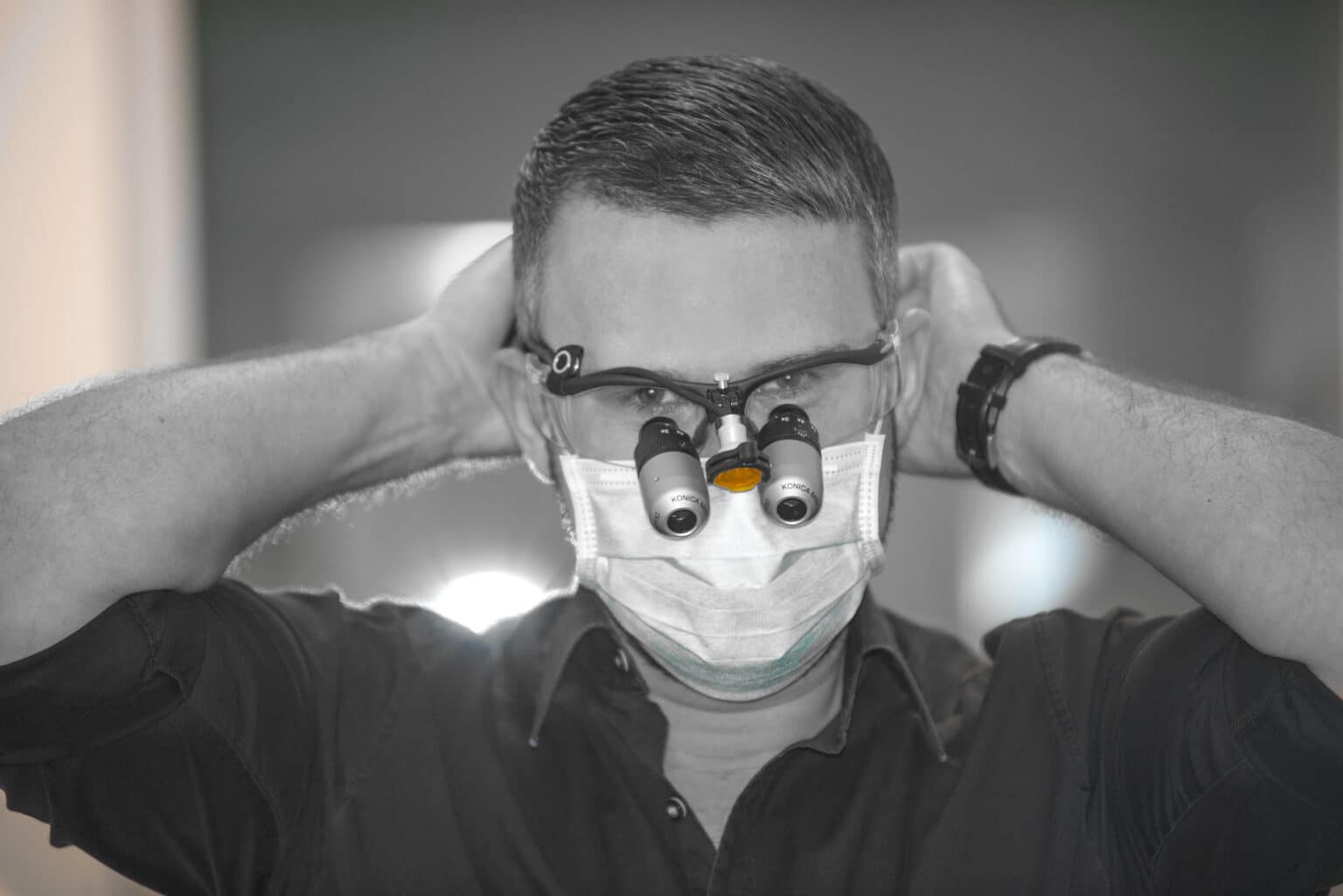
  • Magnifying loupes provide strong magnification of the treatment field and thus improve precision, control and the recognition of detail. In modern dentistry in particular, very small differences often determine the quality of a restoration – for example at filling margins, in minimally invasive preparations or in the diagnosis of fine structures. Magnification allows more careful and more tooth-conserving work. At the same time, it helps to carry out treatments more reproducibly and with greater technical accuracy. For patients, this is not always immediately visible, but it is often clearly noticeable in the result: precision increases quality. Working with magnifying loupes is therefore not merely a matter of comfort for the dentist, but a quality tool that offers real added value, especially in demanding treatments.