

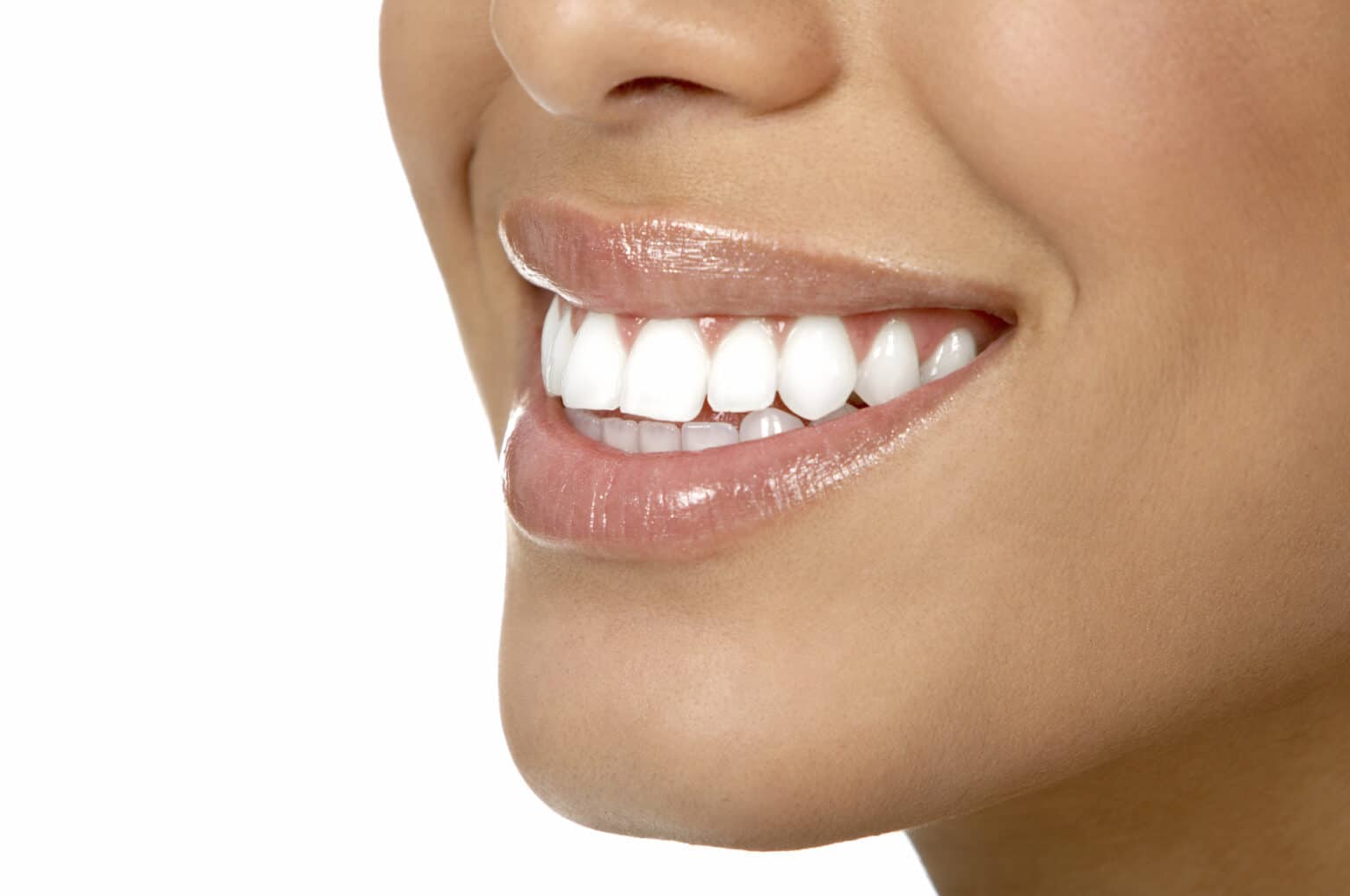
Aesthetic periodontal plastic surgery
Considering gums and teeth together
An uneven gum contour, exposed tooth necks or teeth that look very short can be noticeable when you smile. Aesthetic periodontal plastic surgery addresses selected changes to the gums and surrounding tissues. At smileDentity in Dreieich, we first assess the cause and tissue health. Whether a correction is appropriate depends on the examination and your wishes. An Aesthetic analysis helps assess teeth, gums and lips together. An unusual proportion alone is not a reason for a procedure.
What are pink and white aesthetics?
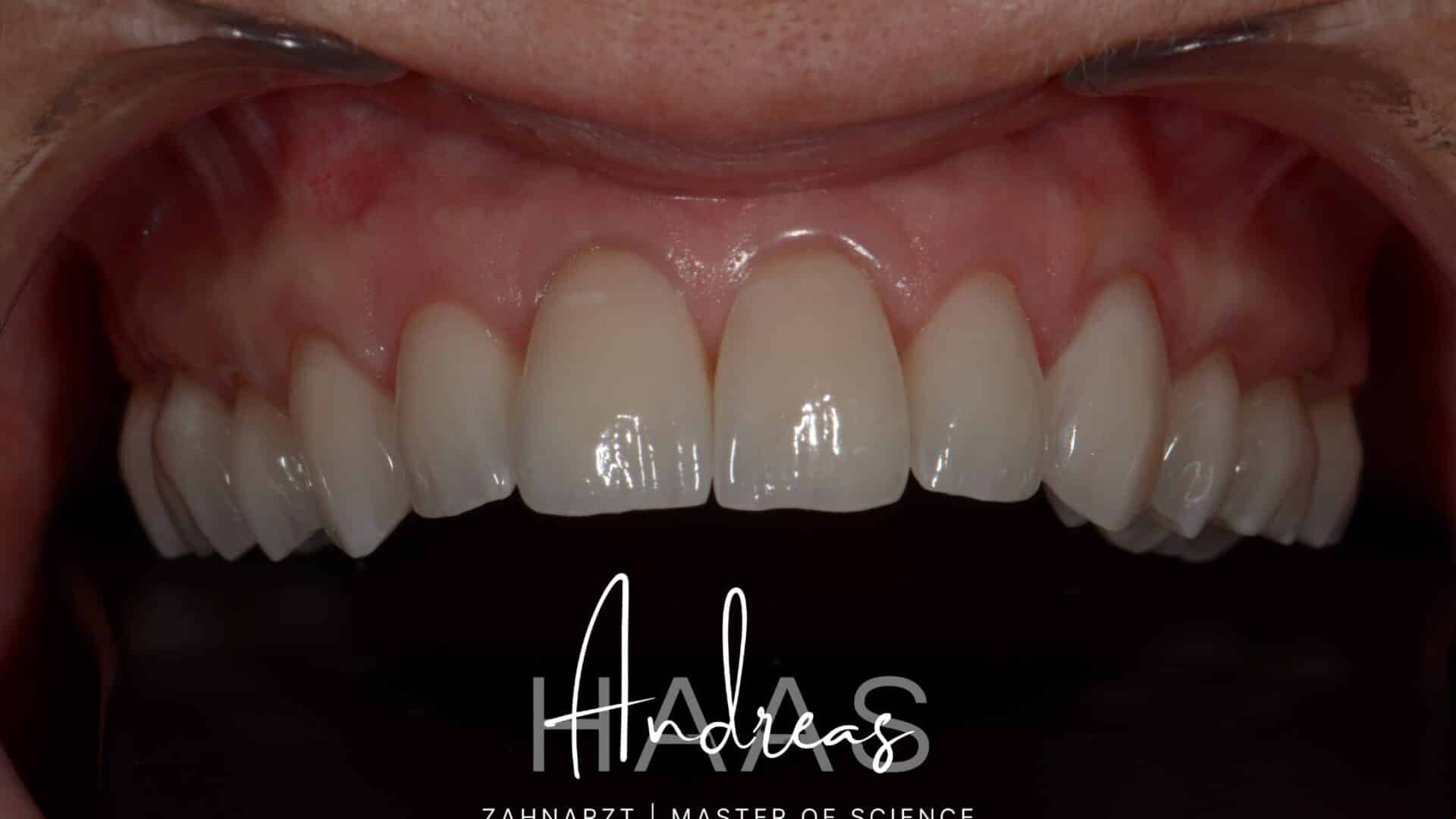
Pink and white aesthetics describes the interplay between gums and teeth. Lip movement and the smile line also determine what is visible when speaking and smiling. Tooth shape, colour and position affect the appearance, as do the height and contour of the gum margin. No single appearance suits everyone.
Different approaches may be appropriate depending on the cause: a colour correction can visually enhance teeth, restorative treatment can change their shape and orthodontic treatment can influence their position. Gum surgery has a different aim. Under suitable conditions, it can cover or thicken tissue or change the visible portion of a tooth. Dental restorations alone cannot always compensate for an unfavourable gum condition; equally, surgery is not automatically the best addition.
Which changes may be considered?
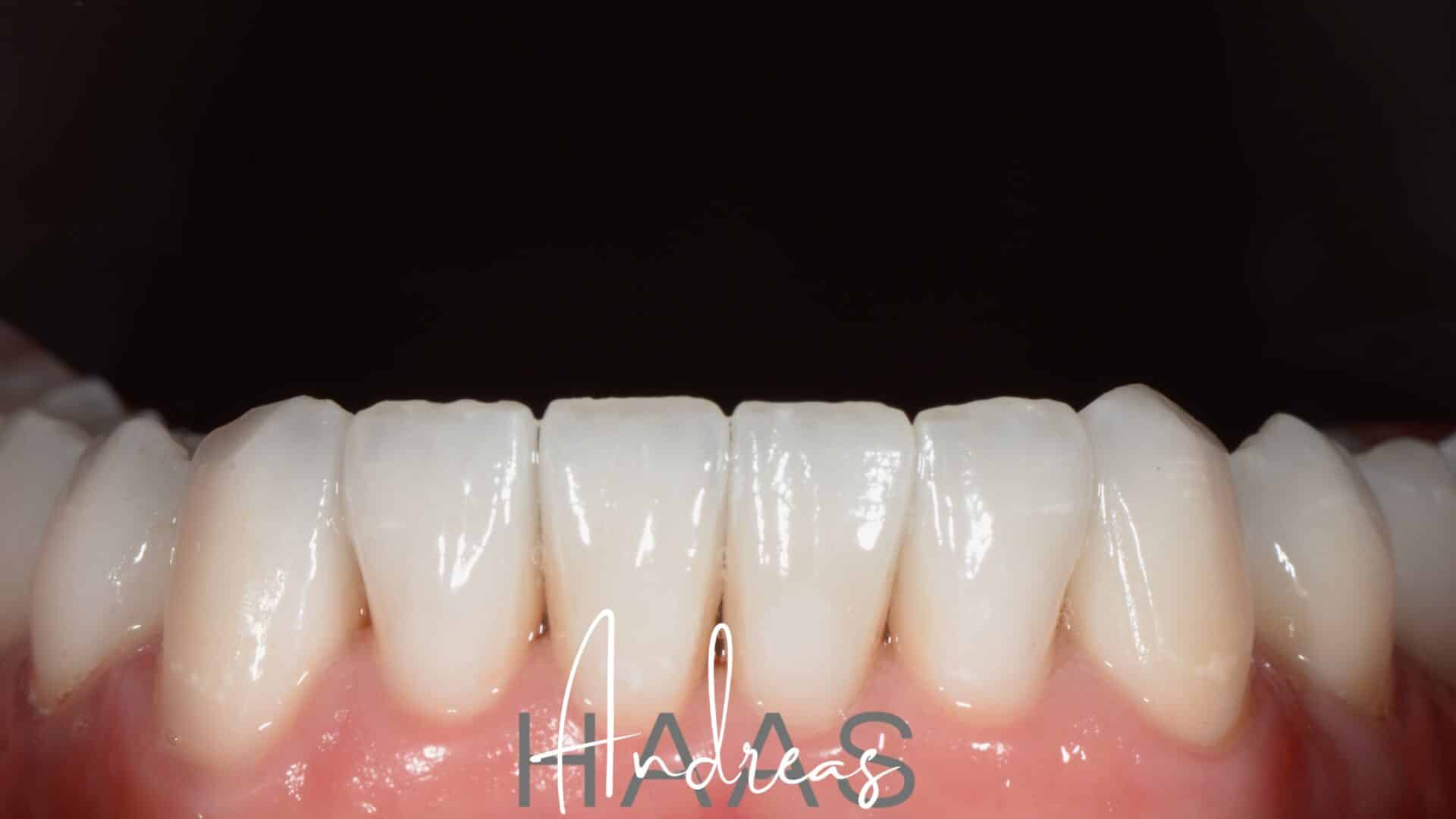
When gums recede, part of the root surface becomes exposed. Depending on the findings, sensitive tooth necks, difficulty cleaning or an aesthetic concern may be reasons for a consultation. Root coverage procedures reposition existing tissue and may supplement it with a graft. Not every exposed root can be completely covered. The tissue between the teeth and the pattern of bone loss particularly limit the options. [1] [4]
If teeth appear very short, we assess whether surgical crown lengthening is an option. Following careful planning, this procedure adjusts the gums and, if necessary, the underlying bone. This is not the same as fitting longer crowns. Where a large amount of gum is visible, we first assess other causes, such as lip movement or tooth and jaw position. These procedures describe general options. We determine the appropriate approach for you based on your findings. [3]
From identifying the cause to making a decision
Understanding the cause
We first discuss your symptoms and wishes and examine oral hygiene, gums and the tissues supporting your teeth. Medication, smoking and general health conditions are also part of our discussion. If there are signs of periodontitis, we first treat the inflammation and stabilise the situation. We can also help you correct an unsuitable brushing technique before considering a surgical step. [1]
Weighing up treatment
We then discuss the aim, alternatives, anaesthesia, possible tissue harvesting and the healing phase. Microsurgical techniques allow precise work; their use alone does not guarantee a particular result. The chosen procedure must suit your findings. Photographs can document the starting point. Before a procedure, we explain the anticipated work, aftercare and costs. You decide only after receiving this information. [2]
What limits the result?
Possible effects include swelling, secondary bleeding, pain, infection or temporary changes in sensation. A donor site on the palate may cause additional discomfort. Tissue may change during healing; complete coverage or a permanently symmetrical contour cannot be assured. Tooth necks may become more sensitive after crown lengthening. The initial findings, care, smoking and healing process influence the prognosis. [2] [3] [4]
We give you individual advice for the initial period on eating, cleaning, physical activity and, where necessary, medication. Do not strain the surgical site by pulling at it yourself or brushing vigorously. At follow-up appointments, we check wound healing and later assess the result. Please contact us if you have persistent bleeding, increasing swelling or severe symptoms. Gentle home care and suitable check-up intervals remain important in the long term. [2]
How do we work at smileDentity?
Andreas Haas, M.Sc., considers your gum condition alongside your teeth, oral function and any planned aesthetic restorative treatment. Periodontology is one of his areas of clinical focus. In discussion, we clarify what concerns you, which changes are medically appropriate and what limitations apply.
Sometimes treating inflammation or adjusting your oral care is sufficient initially. We may also defer a procedure. We clarify which specific operation we can offer and whether further specialist steps are needed based on your findings. Our case photographs show individual documented treatments; they are not a promise of your result.
How much does gum correction cost?
Costs depend on the findings, number of teeth affected, procedure and possible tissue harvesting. Preliminary treatment and aftercare must also be included. A purely aesthetic procedure is not automatically covered by statutory health insurance. Even with a medical indication, reimbursement depends on the service and your insurance. You receive an individual cost breakdown and should clarify coverage before treatment begins; a general assurance would not be reliable.
Frequently asked questions about periodontal plastic surgery (FAQ)
No. Exposed root surfaces can have various causes. Inflammation, tissue anatomy and mechanical stress need to be examined. The cause determines whether changes to oral care, periodontal treatment or a surgical consultation should be considered first.
Initial wound healing and later tissue stabilisation are different phases. Their duration, the required precautions and check-ups depend on the procedure. An early photograph does not necessarily show the final result. We determine the appropriate time for assessment according to your healing progress.
Depending on the cause, options include monitoring, gentler oral care, treating inflammation or sensitive tooth necks, and restorative or orthodontic measures. These do not all address the same finding. Choosing not to have an aesthetic correction is also an option.
If gums and dental restorations are to be changed together, the steps must be coordinated. A definitive restoration should take the necessary tissue healing into account. No fixed interval applies to every procedure; we explain the individual treatment plan.
Sources and further information
- [1] Cortellini und Bissada: Mucogingival conditions in the natural dentition (2018)
- [2] Aroca, Di Domenico und de Sanctis: Mucogingival surgery techniques: Coronally advanced flap versus tunnel approach (2026)
- [3] Cambridge University Hospitals: Crown lengthening surgery (Version 3, 14.01.2025)
- [4] Tonetti und Jepsen: Clinical efficacy of periodontal plastic surgery procedures: Consensus Report of Group 2 of the 10th European Workshop on Periodontology (2014)
Sources and links last editorially reviewed on: 20 October 2026.
Discuss your gum condition.
Would you like an assessment of your gum contour or exposed tooth necks? During a consultation, we clarify the findings, possible steps, limitations and costs.
Medical review of the German source: On 28 October 2026, this content was reviewed by Andreas Haas, M.Sc. (dentist at smileDentity Dreieich) for medical accuracy, currency and scientific basis.