


All-Ceramic Restorations: Metal-Free Crowns and Inlays at smileDentity Dreieich
Natural in appearance, precise in function – metal-free all-ceramic restorations.
We use all-ceramic restorations made from high-quality ceramic materials such as zirconia or feldspathic ceramic. Because the restoration does not require a metal framework, it can reproduce the light refraction and translucency of natural teeth particularly harmoniously. At the same time, all-ceramic is metal-free and generally very well tolerated.
If you are interested in all-ceramic crowns, partial crowns, inlays or onlays, the focus is on a natural appearance, reliable function and the long-term preservation of your teeth. At our dental practice smileDentity in Dreieich, we plan your restoration individually. Diagnostics, Aesthetic Dentistry and function interlock step by step.
Why all-ceramic restorations? Aesthetics, tolerability and tooth-conserving treatment
Benefits at a glance
- Natural light effect and harmonious matching to the existing teeth
- No metal-related dark margin at the transition to the gums
- Metal-free and generally very well tolerated
- High-quality ceramic materials such as zirconia are resilient, colour-stable and long-lasting
- Depending on the tooth situation, tooth-conserving partial crowns, inlays or onlays are possible
All-ceramic restorations come particularly close to natural tooth structure in terms of light effect, colour and translucency. Since there is no metal framework, light can be conducted through the ceramic layers. This creates a harmonious transition between the restoration, the natural tooth and the gums.
Depending on the size and location of the defect, inlays, onlays or partial crowns can enable a tooth-conserving restoration. How much tooth structure needs to be prepared depends on the individual tooth situation, the material used and the chosen type of restoration.
All-ceramic is metal-free, taste-neutral and chemically very stable. The materials are considered particularly tissue-compatible and are therefore also suitable for many patients who consciously wish to avoid metal-containing dental restorations.
In cases of pronounced teeth grinding or heavy clenching, the restoration must be planned particularly carefully. Depending on the findings, a custom-made protective splint may be advisable to protect the ceramic restoration in the long term.
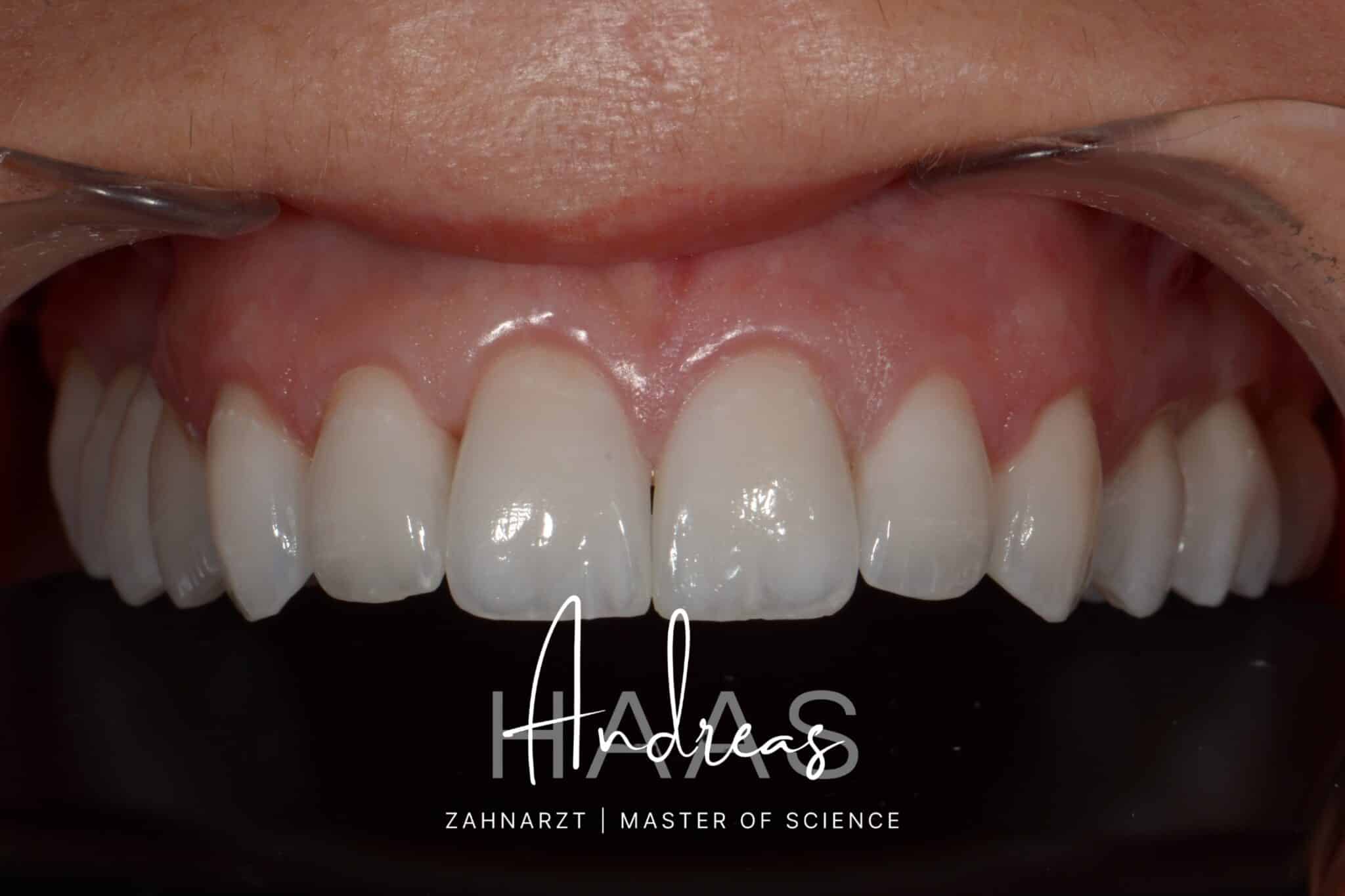
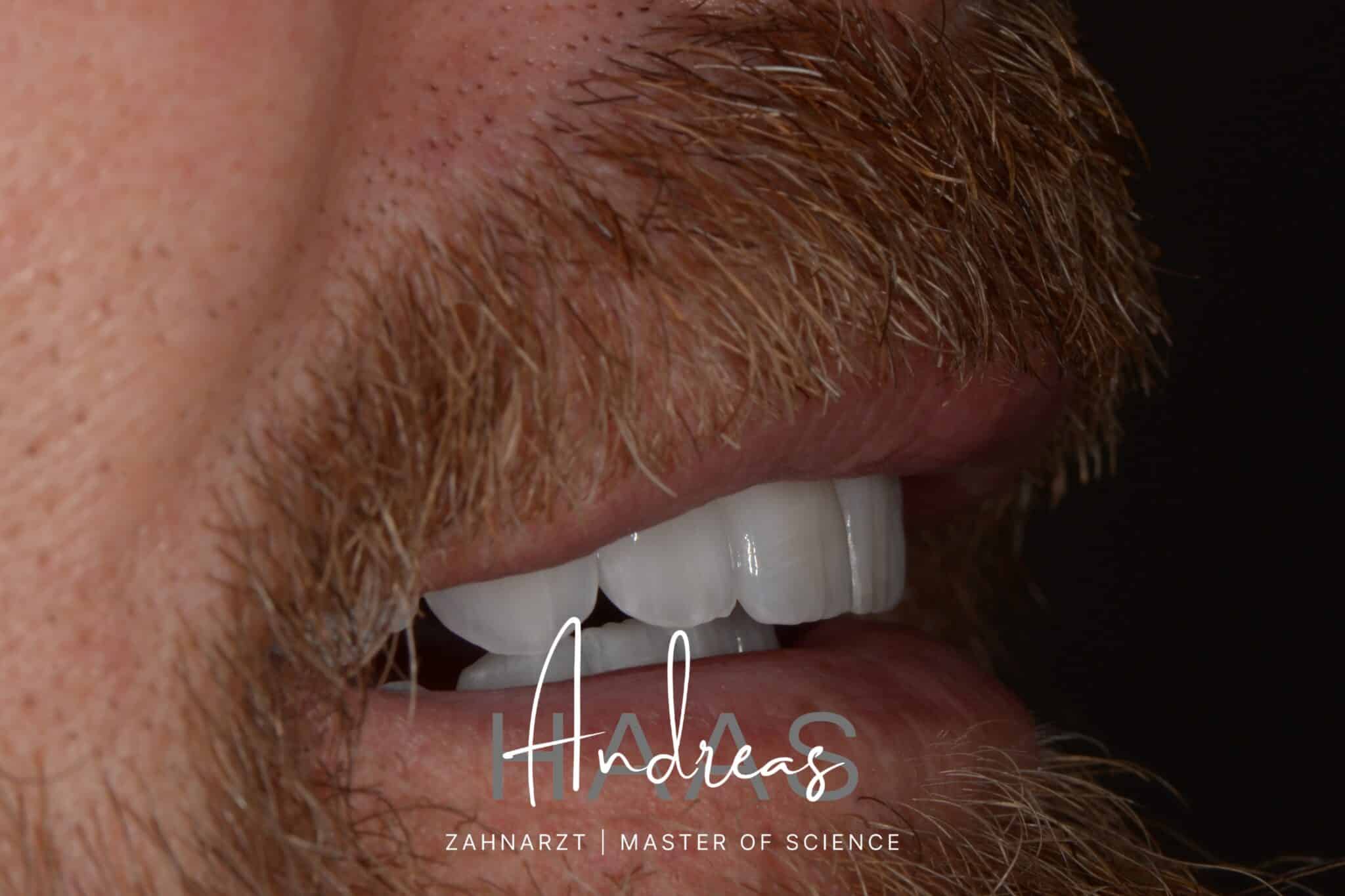
All-ceramic crowns and inlays – your treatment in Dreieich
At smileDentity, treatment with all-ceramic crowns or inlays follows a clearly structured, patient-centred process. As part of our synoptic treatment concept, each step builds logically on the previous one. You know at all times what is happening and why.
Treatment begins with a thorough examination and precise diagnostics. We assess the affected teeth, the bite situation and the aesthetic prerequisites. For extensive or aesthetically demanding reconstructions, we can additionally visualise the planned result with a diagnostic wax-up and, if necessary, a mock-up.
The teeth are prepared for the planned restoration in as tooth-conserving a manner as possible. Particularly for adhesive bonding, we isolate the tooth with a rubber dam. This creates a dry working field protected from saliva – an important prerequisite for the reliable bonding of the ceramic restoration.
After a precise impression or digital scan, the all-ceramic restoration is custom-made. Colour, shape and surface texture are matched to the existing teeth. The restoration is then carefully placed and – depending on the material and type of restoration – adhesively bonded. The result is a functionally and aesthetically harmonious unit.
Ready for metal-free all-ceramic restorations?
Your next step: in a no-obligation initial consultation at smileDentity in Dreieich, we will examine your teeth, discuss your wishes and show you actual treatment cases from our practice.
Frequently asked questions about all-ceramic restorations (FAQ)
All-ceramic is generally suitable for both front and back teeth. Depending on the tooth situation, it can be used as a crown, partial crown, inlay or onlay. We decide which restoration is suitable after an individual examination and assessment of the remaining tooth structure, the bite load and the aesthetic requirements.
Modern ceramic materials such as zirconia are highly resilient and can also be used in the back teeth. How long an all-ceramic restoration lasts depends, among other things, on the type of restoration, the tooth situation, the bite load, oral hygiene and regular check-ups. In cases of heavy teeth grinding or clenching, a custom-made protective splint may be advisable.
All-ceramic restorations are biocompatible and metal-free. Due to their very good tissue compatibility, they are also suitable for many patients who react sensitively to metal-containing dental restorations. They are taste-neutral and chemically stable. Whether all-ceramic is the right solution in your individual case is something we clarify as part of diagnostics and consultation.
For patients with statutory health insurance, the fixed subsidy depends on the findings and the intended standard treatment. If you opt for a higher-quality all-ceramic restoration, you will generally bear the resulting additional costs yourself or via supplementary dental insurance. Before treatment begins, you will receive an individual treatment and cost plan.
Metal-ceramic crowns consist of a stable metal framework veneered with tooth-coloured ceramic. All-ceramic restorations contain no metal at all. This allows the colour, light transmission and translucency of natural teeth to be reproduced particularly harmoniously. In addition, no metal-related dark margin can become visible at the transition to the gums.
All-ceramic is biocompatible, metal-free and characterised by very good tissue compatibility. Which restoration is best suited in an individual case depends on the position of the tooth, the bite load, the remaining tooth structure and the aesthetic requirements.