


Periodontitis – clearly explained
What is periodontitis?
Periodontitis is chronic inflammation of the tissues supporting the teeth. It can lead to loss of the tissue anchoring the teeth and of the jawbone. Untreated, the disease may cause loose teeth and tooth loss. It often progresses for a long time without pain and should be detected and treated early. [1]
The periodontium is a tooth’s support system: it includes the gums, jawbone, root cementum and fine supporting fibres. These fibres connect the tooth root to the bone. Even teeth without decay can lose their support if inflammation progresses. [1]
You can find more about the specific treatment offered at our practice in Dreieich on our page about periodontitis treatment at smileDentity.
On this page
How does it differ from gingivitis and ‘Parodontose’?
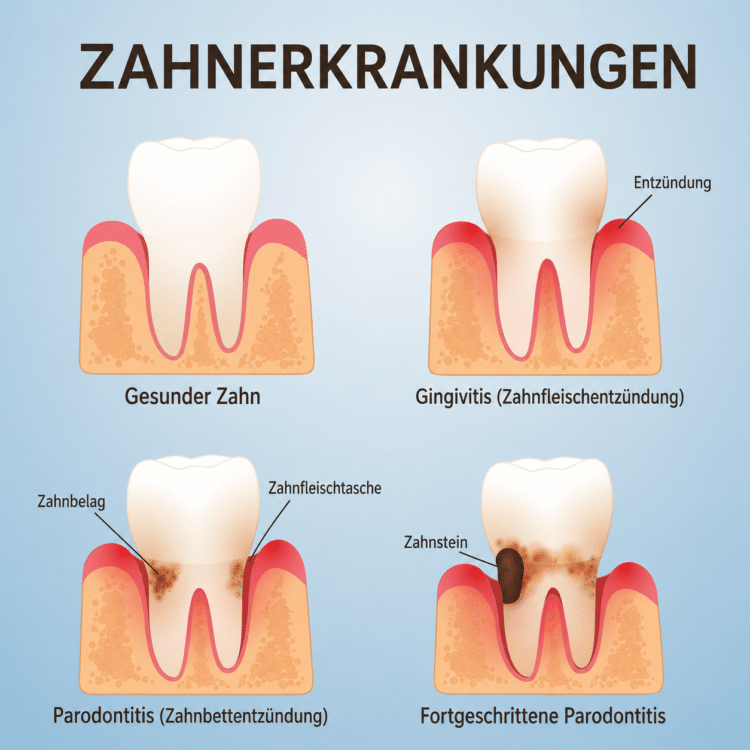
In Gum inflammation (gingivitis) the gums are initially affected. It can resolve when the cause is removed. Periodontitis also affects the structures anchoring the teeth and the bone. Not every case of gingivitis develops into periodontitis. [2]
The German term ‘Parodontose’ is often used colloquially for the same disease. The usual medical term is periodontitis. The ending ‘-itis’ denotes inflammation. [1]
How does periodontitis develop?
Bacteria in dental plaque, also called biofilm, trigger an inflammatory response. In susceptible people, this response can damage the tissues supporting the teeth. Deeper pockets may form between the tooth and gum, which can only be cleaned to a limited extent with home care.
Plaque and calculus are not the same: Plaque is a soft bacterial deposit. If minerals accumulate in it, it can become hard calculus, or tartar. Firmly attached deposits cannot be removed with a toothbrush. The interaction between bacterial biofilm and the body’s inflammatory response is central to the disease. [1]
What warning signs are possible?
Early signs
- Bleeding gums: repeatedly when brushing or cleaning between the teeth.
- Redness and swelling: The gums look irritated; persistent bad breath may also be noticeable.
Advanced symptoms
- Receding gums: Tooth necks become exposed and may be sensitive.
- Loosening or shifting: Teeth lose support, new gaps or a changed bite may develop. Pain on chewing may also occur.
This classification provides guidance but cannot reliably determine the stage of the disease. Even advanced periodontitis may cause little pain. Bleeding can already occur with gingivitis; gum recession also has other possible causes. Signs of bleeding may be less pronounced in people who smoke. Recurrent or new changes should be assessed by a dentist. [1] [2]
Which risk factors play a role?
Individual susceptibility helps determine whether and how quickly inflammation progresses. Good oral care reduces risks but cannot reliably rule out disease.
Behavioural risk factors
- Smoking: It increases the risk of disease and can impair treatment outcomes.
- Inadequate plaque removal: Biofilm that remains on teeth and between them over time promotes inflammation.
Medical risk factors
- Diabetes: Inflammation may occur more often and heal less well, particularly when blood glucose is poorly controlled.
- Predisposition and immune status: Genetic factors and certain immune system conditions can influence the risk.
Stress, hormonal changes and certain medicines can also affect gum health. These should be considered in the individual assessment; not every influence is automatically a cause of periodontitis. [1]
How is periodontitis diagnosed?
The Periodontal Screening Index (PSI) is a brief examination for early detection. It indicates whether a more detailed examination is needed. An abnormal PSI result alone does not replace a full diagnosis.
Diagnosis includes assessing gum pockets, signs of bleeding and the support of the teeth. Depending on the findings, X-rays may be taken to assess the bone. This forms the basis for individual treatment planning. [3]
A fine measuring probe is used gently to check the depth of the space between tooth and gum. Together with the other findings, the measurements help assess the condition and subsequent changes. [3]
How is periodontitis treated?
Treatment aims to reduce inflammation and limit further tissue loss. It includes oral hygiene adapted to the findings, control of modifiable risk factors and cleaning affected root surfaces below the gumline.
The result is checked after a healing period. If deep pockets remain, additional measures, including surgery in certain cases, may be appropriate. Routine professional dental cleaning alone does not replace periodontitis treatment. [4]
Why is aftercare important?
Periodontitis can become active again after treatment. Supportive periodontal therapy (SPT) therefore combines regular checks with oral hygiene support and cleaning adapted to the findings. The intervals are set individually. SPT involves more than routine professional teeth cleaning and is not replaced by it. [4] [5]
Regular, thorough tooth cleaning and suitable aids for the spaces between teeth are important in everyday life. We can demonstrate the appropriate brush size or technique. Home care and support at the practice complement each other: keeping deposits to a minimum, ideally every day, remains important even when the gums feel normal again after treatment. [5]
How do we work at smileDentity?
At our practice in Dreieich, Andreas Haas, M.Sc., and our team discuss your findings and the next steps with you. Information about the treatment we offer is available under Periodontology at smileDentity. To learn how we support you with prevention and care, visit our page on Preventive care. Your individual circumstances guide the specific plan.
At smileDentity, professional teeth cleaning, oral hygiene advice and supportive periodontal therapy (SPT) are provided exclusively by our qualified dental hygienists with many years of experience.
Frequently asked questions about periodontitis (FAQ)
Treatment can stabilise the disease in the long term. Tissue already lost does not usually regenerate on its own. Regenerative procedures may be considered in selected cases. The subsequent course depends on factors including the initial findings, risk factors and consistent aftercare. [5]
Periodontitis and diabetes can adversely affect each other. Associations with cardiovascular disease have also been investigated scientifically. This does not establish a promise that dental treatment prevents a heart attack or stroke. Known systemic conditions should be considered in treatment planning. [1] [6]
Have recurrent bleeding gums, persistent bad breath or receding gums assessed. Contact us promptly if teeth become newly loose, or if you notice pus or swelling. Regular check-ups remain advisable even without symptoms. [2]
Gingivitis affects the gums and can resolve when the cause is removed. Periodontitis also affects the structures anchoring the teeth and the jawbone. Not every case of gingivitis develops into periodontitis. [2]
No. Professional teeth cleaning can support oral hygiene, but it does not replace targeted treatment of affected root surfaces below the gumline. Subsequent supportive periodontal therapy (SPT) also involves more than routine professional teeth cleaning. [4] [5]
Sources
- [1] KZBV: Ursachen und Auswirkungen der Parodontitis
- [2] IQWiG: Zahnfleischentzündung und Parodontitis
- [3] KZBV: Der Parodontale Screening-Index (PSI)
- [4] KZBV: Behandlung der Parodontitis
- [5] IQWiG: Wie wird eine Parodontitis behandelt?
- [6] EFP / World Heart Federation: Periodontitis and cardiovascular diseases – Consensus report (2020, PDF)
Sources and links last editorially checked on: 13 October 2026.
Questions about your gums?
Would you like to have your gums examined? Arrange an appointment at our practice in Dreieich. Our team offers personal advice without obligation.
Medical review: This English article was reviewed and approved by Andreas Haas, M.Sc.