Implant dentistry – smileDentity Dreieich
Implants · Treatments

Dental implants

Dental implants in Dreieich: options and planning

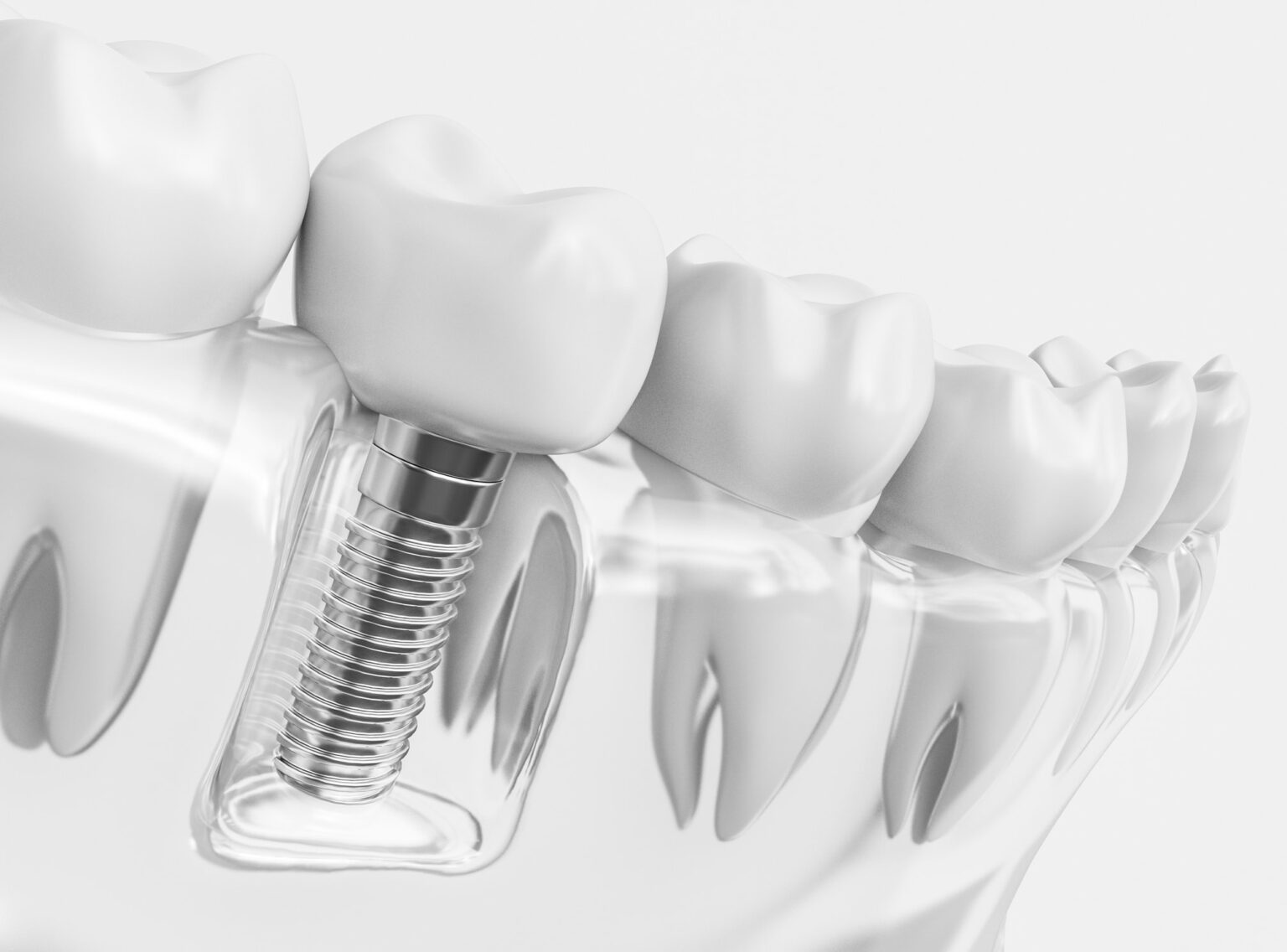
A tooth consists of the visible crown and a root anchoring it in the jaw. If a tooth is lost, an implant can act as an artificial tooth root. A crown, bridge or removable denture can be attached to it. At smileDentity in Dreieich, we assess with you which restoration suits your findings. If there is insufficient existing bone, regenerative bone augmentation procedures may form part of planning. An implant is one treatment option; we also consider tooth preservation and suitable alternatives.

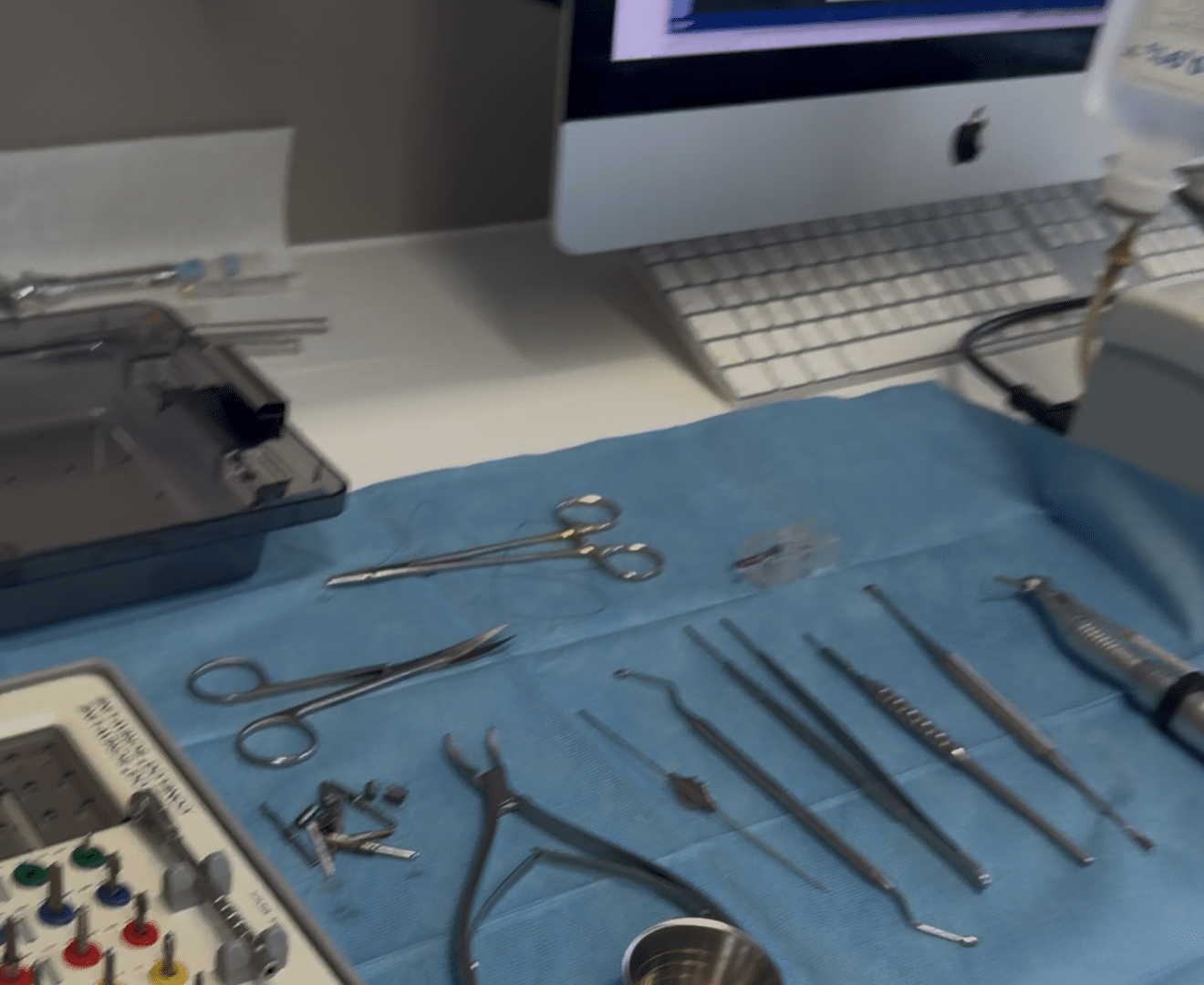
Instruments laid out in preparation for implant treatment
Prerequisites and planning

What needs to be clarified before implant placement?

Bone quantity and quality must suit the planned implant position. Healthy or treated gums, a future restoration that can be cleaned well and your general health are equally important. Existing periodontitis should be included in risk assessment. We consider medication, smoking and relevant conditions when speaking with you. Please do not change ongoing medication independently.

Where bone is insufficient, your own bone or other suitable bone substitutes may be considered. Whether augmentation is needed and whether it is performed simultaneously with or before implant placement depends on the defect and treatment plan. The origin, benefits, limitations and alternatives of materials form part of the explanation. Not every missing tooth requires the same augmentation.

Planning starts with the desired final tooth restoration and considers anatomical conditions. Existing findings and images can be taken into account.

In implant dentistry generally, three-dimensional imaging and computer-planned implant positions can be helpful for appropriate clinical questions. A guided surgical template can support placement. Additional imaging depends on the individual indication and is not universally necessary for every gap.

We work with oral and maxillofacial surgery and dental technology. Together we coordinate surgical options and your future prosthetic restoration. The specific treatment plan clarifies which steps take place where and who performs them. Digital planning can support preparation but provides no guarantee of success. [1]


An individual decision

Which restoration suits your situation?

Implants can enable a fixed restoration or improve the retention of a removable denture. For a single gap, suitable conditions may allow neighbouring teeth to remain unprepared solely for a bridge. These possibilities must be weighed against surgery, healing time and necessary long-term care. The decision also depends on your expectations and overall treatment.

Alternatives may include a tooth-supported bridge or removable denture. If a tooth is still present, we first assess whether worthwhile preservation is possible. There is no general basis for claiming that an implant is the best solution for every person or every gap. Your willingness to clean it and attend regular follow-up is also part of the decision.

During consultation, we compare your wishes for aesthetics, chewing function and comfort with the available conditions. We coordinate the number of implants, restoration material and attachment method in your individual treatment plan. Even with careful planning, healing and long-term performance remain individual. We explain clearly what appears achievable and which uncertainties remain. [2]

When all teeth in one jaw are missing

If all the teeth in one jaw are missing, implants can provide retention for a removable denture or support a fixed bridge. The appropriate restoration is planned on the basis of your individual findings. For more information, see our page on dental prostheses. [4]

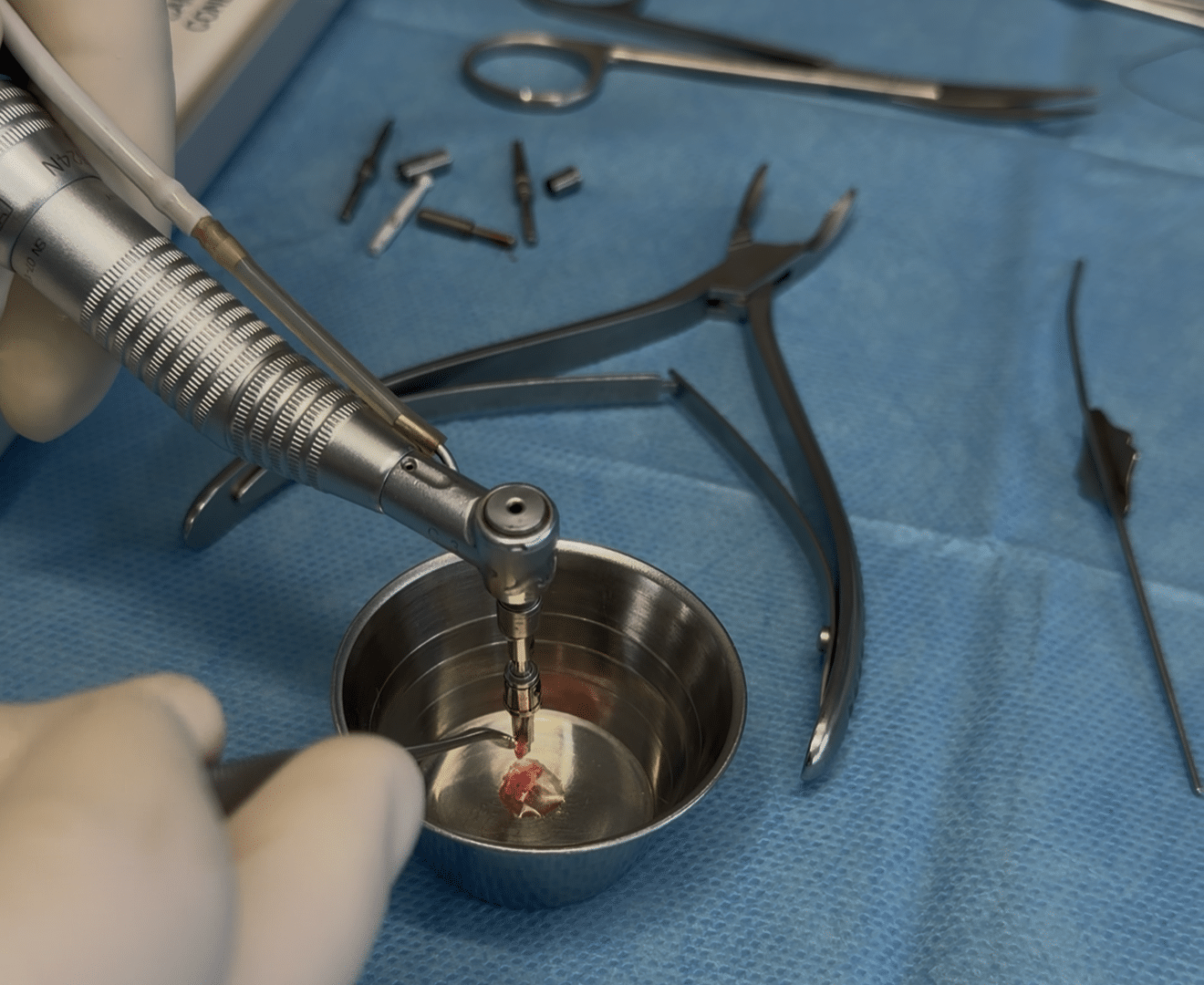
Gloved hand holding an instrument over a prepared treatment area
Procedure and long-term care

From implant placement to aftercare

After examination and explanation, we agree the process with you. Implant placement is a surgical procedure under appropriate anaesthesia. The tissue then needs time to heal and the implant to integrate with the bone. Whether and how a temporary restoration can be worn depends on the situation. An immediately load-bearing fixed restoration is not a universal promise.

Possible risks include pain, swelling, bleeding, infection, impaired wound healing and implant loss. Depending on the site, nearby structures such as nerves or the maxillary sinus must be considered. Before you decide, we discuss which risks are particularly relevant in your case. Please contact us if symptoms increase or a restoration becomes loose.

Daily cleaning and checks remain important after restoration. An implant can also be affected by inflammation of the surrounding tissues. Inflammation involving bone loss is called peri-implantitis. We tailor care to your crown, bridge or denture and discuss suitable aids and check-up intervals with you. A fixed lifespan cannot be promised. [3]

Well prepared

Your next steps

Discussing costs in advance

Total costs depend on factors including the number of implants, bone augmentation, temporary restoration and dental prosthesis. Your personal plan distinguishes the individual steps. Possible reimbursement and remaining patient contributions should be clarified with the relevant insurer or funding body before treatment begins.

Planning the next steps

Bring existing findings and a medication list to the consultation. We discuss goals, alternatives and the anticipated sequence. Healing time or treatment outcome can be meaningfully assessed only after examination and remains individual.

At smileDentity

How do we work at smileDentity?

Andreas Haas, M.Sc., advises you based on your dental findings. We plan your restoration and coordinate the surgical and dental laboratory steps accordingly. We consider your wishes and assess what the conditions allow. We do not recommend an implant solely because a tooth is missing.

You can book an appointment, get to know our practice and bring your questions about tooth preservation, implants and alternatives. For complex findings, a coordinated overall plan helps clarify the sequence and responsibilities. We agree specific procedures and appointments only after your individual examination and explanation.

If you are travelling further: Discuss appointment arrangements and the documents to bring to your first consultation with us in advance. During planning, also ask which further appointments and checks are intended for your restoration and who is responsible for them. Directions, parking and public transport.

Frequently asked questions

Frequently asked questions about implant dentistry (FAQ)

  • An implant replaces the function of a missing tooth root and is anchored in the jawbone. It can support a crown, bridge or denture. The visible prosthesis and the implant within the bone are separate components of the restoration.

  • This depends on bone quantity, bone quality and the planned implant position. Augmentation may be considered where bone is insufficient. We explain techniques, materials and timing individually; it is not universally necessary for every gap.

  • No. Digital planning and a guided surgical template can support treatment for appropriate clinical questions. Whether additional three-dimensional imaging and this approach are useful depends on the findings and planned restoration. They do not replace a careful examination.

  • This cannot be promised generally. Immediate loading requires certain conditions. Healing time and a temporary restoration are often necessary. We discuss the possible solution after assessing stability and your individual plan.

  • Implants can serve for a long time but have no guaranteed lifespan. Initial findings, risk factors, loading, hygiene and aftercare influence progress. Regular checks help identify inflammation and restoration problems early.

  • Depending on the starting situation, options may include a bridge, a removable denture or initially a tooth-preserving approach. We weigh advantages and disadvantages together with you. The decision considers function, neighbouring teeth, surgical risks, care requirements and costs.

  • Costs arise from several possible steps, such as planning, surgery, augmentation and the restoration. A personal cost plan is more informative than a general package price. Clarify reimbursement and remaining patient contributions with your insurer or funding body before treatment begins.

Your next step

Arrange an appointment.

Arrange a personal implant dentistry consultation at smileDentity. We discuss your findings, possibilities, limitations and suitable next steps.

Author:

Medical review of the German source: On 28 October 2026, this content was reviewed by Andreas Haas, M.Sc. (dentist at smileDentity Dreieich) for medical accuracy, currency and scientific basis.

The review notice above applies to the unchanged German source text. Approval by Andreas Haas, M.Sc., of the German additions on restorations when all teeth in one jaw are missing was confirmed on 16 November 2026. The additions shown here are an English translation.