

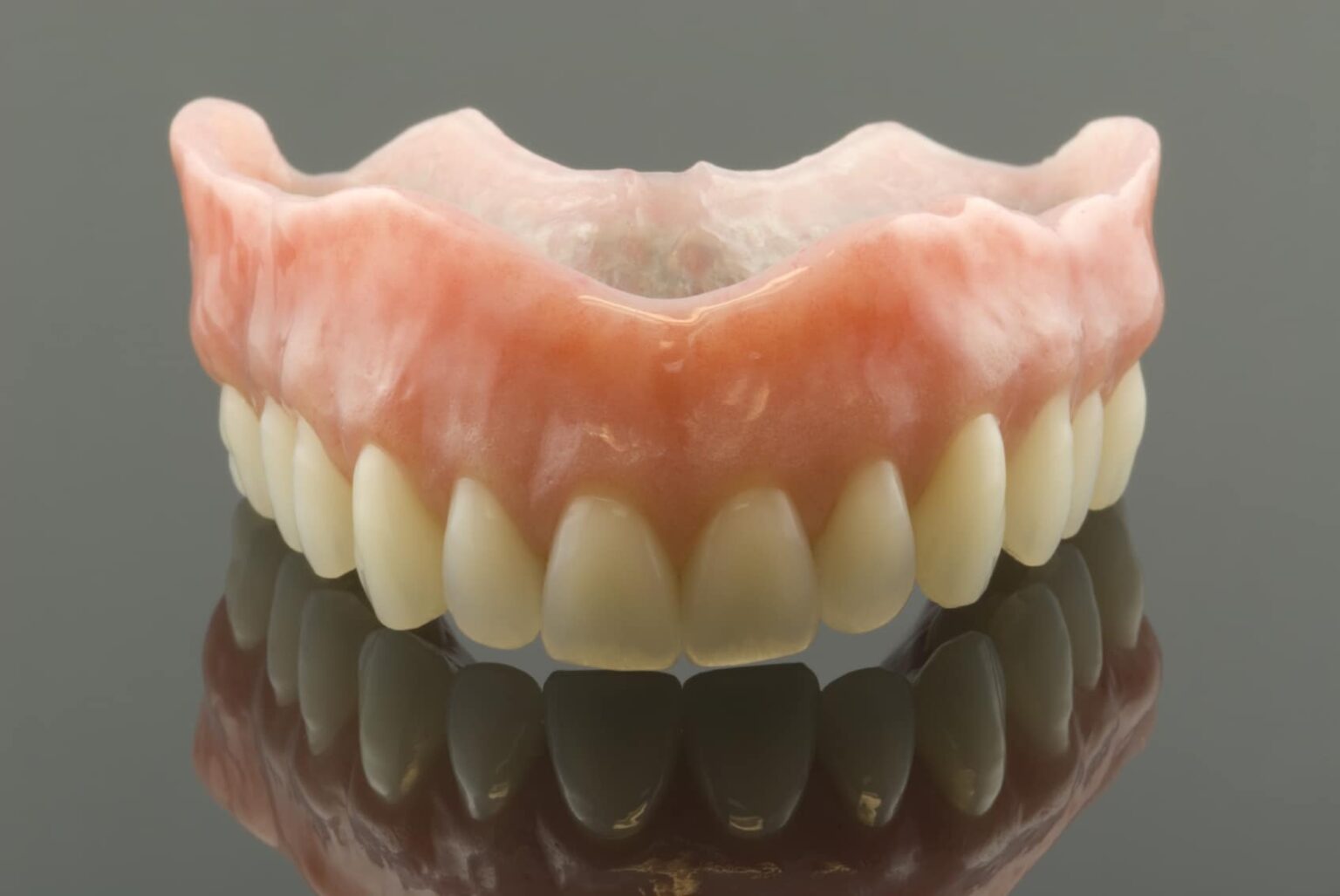
Dental Prosthodontics
Planning tooth replacements to suit your findings and everyday life
Missing teeth or extensive tooth damage can affect chewing, speech and smiling. Prosthodontics concerns the reconstruction and replacement of teeth. At smileDentity in Dreieich, we assess which restoration suits your starting situation, wishes and ability to care for it. Our approach to aesthetic reconstructive dentistry combines function and appearance. Crowns, bridges, dentures and implant-supported restorations serve different purposes; a decision requires your individual findings.

What should your restoration provide?
Reliable chewing, clear speech, a harmonious appearance and a restoration you can clean are important. Comfort, treatment duration, longevity, possible repairs and costs also inform the decision. A more complex solution is not automatically better for everyone. We consider your expectations, health and practical day-to-day handling together. [1]
A step-by-step approach helps with more extensive treatment. We first assess teeth worth preserving, gums, bite and existing restorations. Necessary preparatory treatment precedes the definitive restoration. This structured approach is part of our synoptic treatment concept: identifying connected problems and dividing treatment into understandable stages.
Fixed, removable or combined?
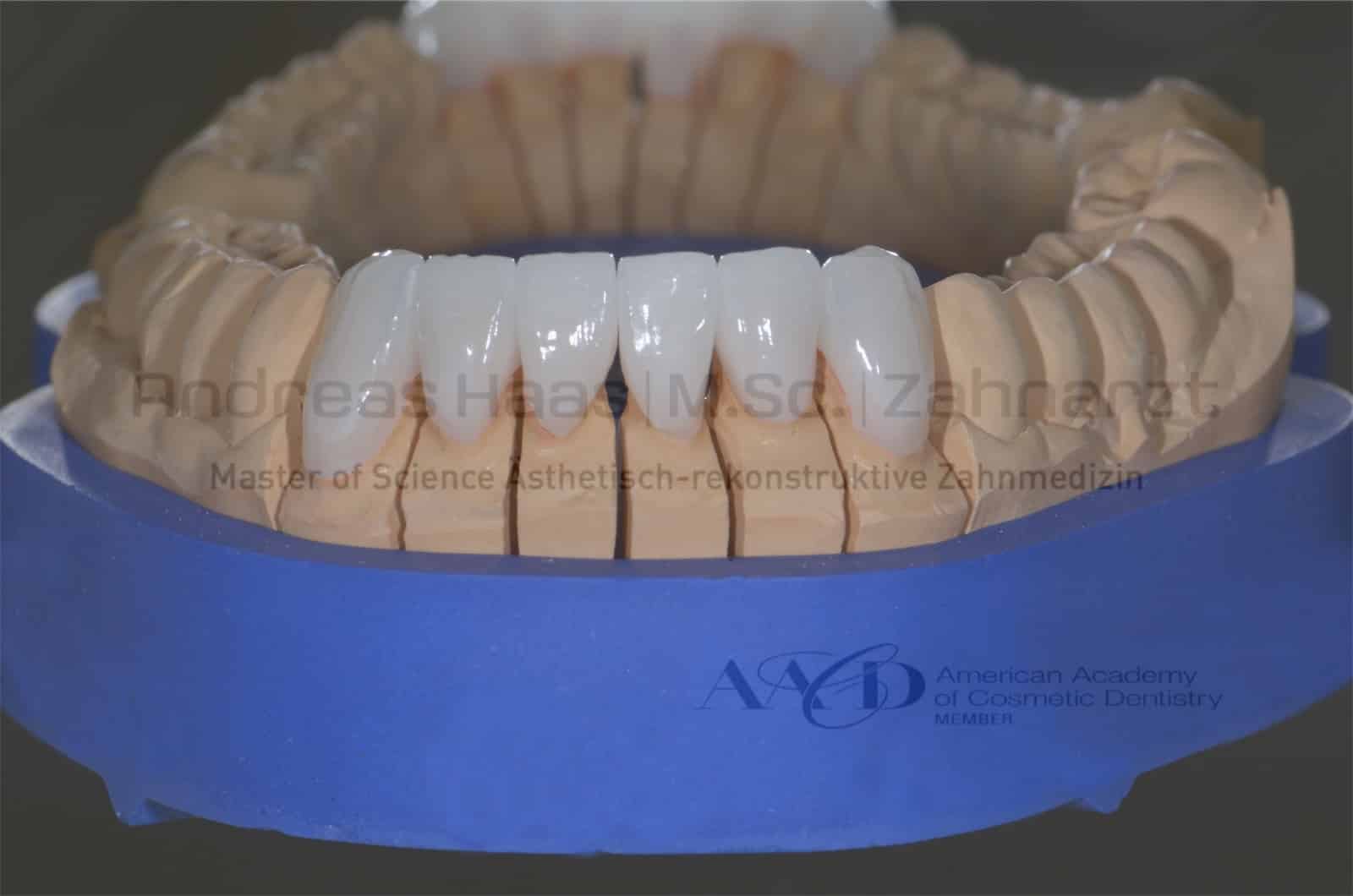
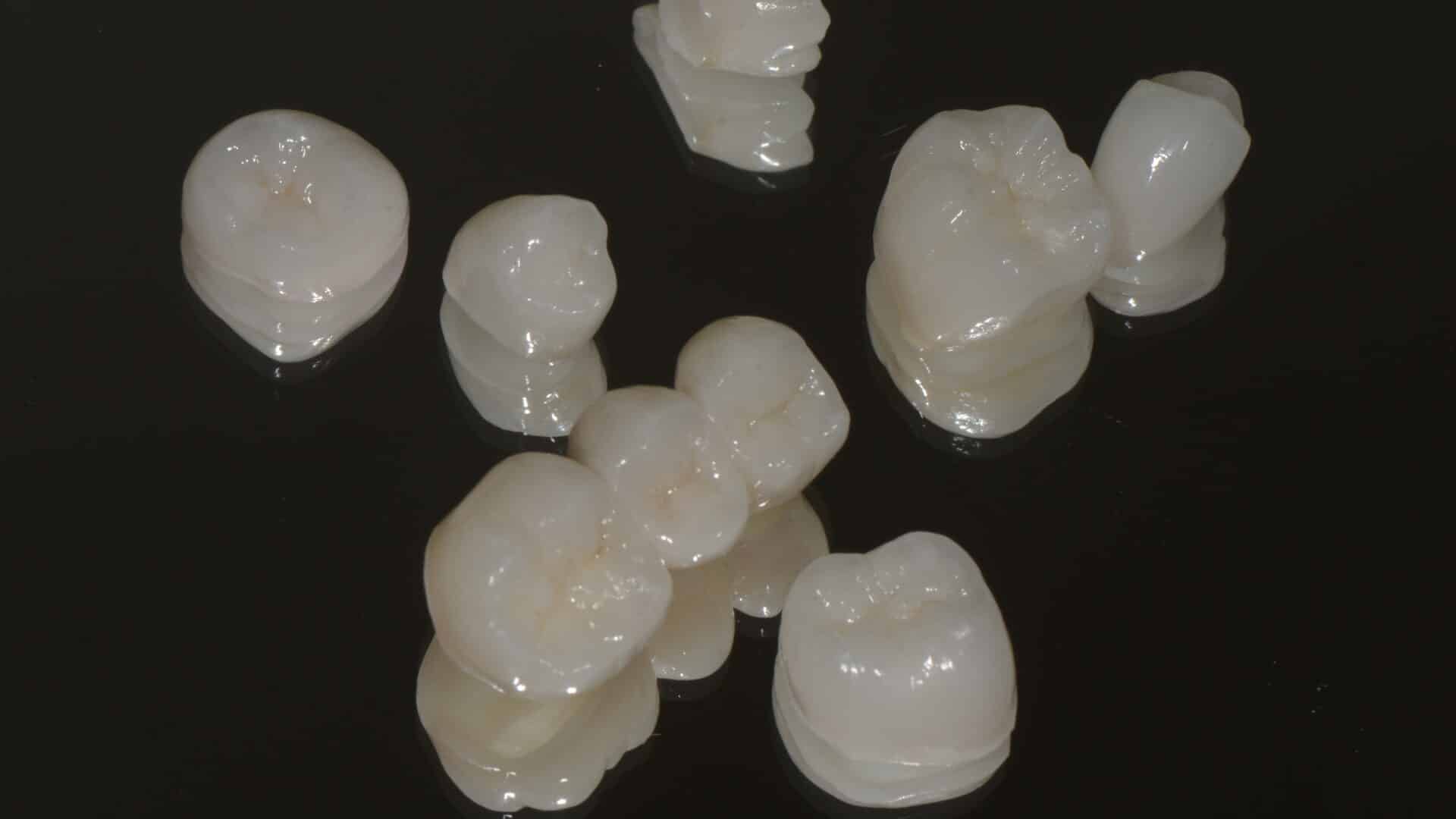
Fixed restorations remain in the mouth. A crown restores a more extensively damaged tooth; a bridge replaces missing teeth and is supported by suitable teeth or implants. Adequate support, available space, bite and cleanability are essential. All-ceramic reconstructions may be an option but are not the only suitable material choice for every situation. [1]
Removable restorations are taken out for cleaning. Partial dentures supplement existing teeth, while complete dentures replace an entire dental arch. Combined restorations connect fixed elements with a removable component, for example using telescopic crowns or other retention systems. Implants can support both fixed and removable structures. Suitable designs also depend on how well you can insert, remove and care for them. [1]
Implant-supported or tooth-supported restorations?
An implant replaces a tooth root and can support a restoration. However, it is not indicated in every case. Particularly in the visible upper front region, bone, gums, neighbouring teeth and the smile line influence the achievable appearance. Tissue deficits or an increased risk of gum recession may require additional steps and limit the prognosis. Augmentation does not remove every risk. [2]
This does not establish universal superiority of bridges or implants. We compare the specific alternatives with you: how much tooth structure would need preparation? How strong are the neighbouring teeth? Which surgical steps would be necessary? An Aesthetic analysis helps assess shape, gum contours and the relationship to the lips. The aim is a clear balance between tissues, function, design and treatment demands; a perfect result cannot be guaranteed.
How are combined restorations retained?
In combined restorations, fixed and removable components fit together. A distinction is made between primary splinting, such as a fixed connection by a bar, and secondary splinting through the inserted removable component. The appropriate connection depends on the number and position of supporting teeth or implants and the space available.
A precise fit matters, but no particular attachment system is universally superior or maintenance-free. Retentive elements can wear and may need adjustment or replacement. Extensive removable restorations can also replace missing dental arches. What matters is which solution can be used securely, cared for and, where necessary, adapted later.
How do we work at smileDentity?
Andreas Haas, M.Sc., discusses your priorities and dental findings with you. Our treatment team considers teeth worth preserving, function, gums and your aesthetic wishes together. For complex restorations, we coordinate the individual steps. The examinations, impressions or digital records required depend on the clinical question.
Before a decision, we explain possible restorations, their limitations and costs. Depending on the scope, provisional stages and try-ins may be necessary. We check your restoration for fit, bite, design and cleanability. The aim is a restoration you can manage in everyday life; an invisible or imperceptible restoration cannot be promised universally.
Restorations need follow-up care
Supporting teeth may develop decay, inflammation or sensitivity; preparing a tooth can affect its nerve. With implants, surgical risks and later inflammation must be considered. Technical complications include loosening, wear, material fracture or repairs. Removable restorations sometimes require an adjustment period or correction of pressure spots. The information we provide relates to your specific plan. [1]
Cleaning at home and regular check-ups remain necessary. We explain how to reach margins, bridge pontics and retentive elements. Contact us promptly if you have pain, a loose restoration or pressure spots; do not grind or glue the restoration yourself. We agree check-up intervals and any additional preventive care individually with you. [1]
Planning, patient contributions and reimbursement
Costs depend on scope, material, laboratory work, retention and preparatory treatment. For patients with German statutory insurance, the fixed subsidy is generally based on the findings; choosing a different restoration may mean a higher patient contribution. Private reimbursement depends on the policy. You receive a treatment and cost plan before treatment. We provide the necessary documents; reimbursement decisions are made by the insurer. Have anticipated reimbursement checked before treatment begins so that your contribution remains clear. [3]
Frequently asked questions about prosthodontics (FAQ)
That depends on location, extent, function and your symptoms. We also assess effects on your remaining teeth and long-term care. A gap does not automatically mean an implant is required. We discuss possible consequences of waiting and suitable alternatives with you.
No. Implants can avoid preparing healthy neighbouring teeth but require surgery and suitable conditions. For a bridge, the condition and strength of the supporting teeth matter. The decision is based on the specific findings, particularly in the visible front region. [1]
No. They can be a long-term restoration. Retention, fit, cleaning and handling must be appropriate. They may be supported by teeth or implants. The suitable solution depends on existing structures and what you can manage in everyday life. [1]
That depends on the scope. Preparatory treatment, laboratory stages, try-ins and any healing time after surgery influence the duration. We explain the planned sequence and any provisional restoration. A fixed general number of appointments would be misleading.
An exact lifespan cannot be promised. Initial findings, loading, materials, home care and check-ups all interact. Some repairs or adjustments may become necessary over time. Regular follow-up helps detect changes early; it is not a guarantee of longevity.
Sometimes repair, relining or adjustment is possible. First, we clarify why something has broken, become loose or no longer fits, and whether supporting structures are healthy. A repair is not always a suitable long-term solution; in that case, we explain the alternatives.
Bring any available records relating to restorations, implants, medicines and symptoms. Your questions about appearance, care, handling and financial limits are also helpful. We clarify whether further findings or images are needed after your examination.
Sources and further information
- [1] KZBV: Zahnersatz – Möglichkeiten der Versorgung
- [2] ITI-Konsensus: Auswahlkriterien für Sofortimplantation und Sofortbelastung in der ästhetischen Oberkieferzone (2023)
- [3] KZBV: Zahnersatz – vom Antrag bis zur Abrechnung
- [4] KZBV: Festzuschüsse zum Zahnersatz
Sources and links last editorially reviewed on: 20 October 2026.
Discuss suitable tooth replacements.
Would you like to replace missing teeth or have existing restorations assessed? During a consultation, we clarify the starting situation, options, treatment involved and costs.
Medical review of the German source: On 28 October 2026, this content was reviewed by Andreas Haas, M.Sc. (dentist at smileDentity Dreieich) for medical accuracy, currency and scientific basis.